Presidential Task Force on Combating Antisemitism and Anti-Israeli Bias
Updated December 2025
University actions and commitments
Harvard University is resolved in our commitment to combating antisemitism and anti-Israeli bias. The University has taken and continues to take substantive actions to advance this commitment through both University-wide and School-specific initiatives aligned with preliminary and final recommendations put forward by the Presidential Task Force guided by Harvard’s commitment to open inquiry and academic freedom.
For more information on the actions Harvard University has taken, is currently implementing, and plans to undertake in the future, please explore these links (updated as of December 2025). Additionally, a high level overview of some of the actions was issued on September 9, 2025.
About the Task Force
Among the repercussions of conflict in the Middle East have been the loss of family and friends among many members of our community, as well as feelings of uncertainty, abandonment, mistrust, and fear. Incidents of bias and hate against Jews and Israelis and against Muslims, Palestinians, and other people of Arab descent have risen across the country. In the wake of October 7, 2023, reports of antisemitic, anti-Muslim, and Anti-Arab acts on our campus grew, and the sense of belonging among these groups was undermined. It was necessary to understand why and how these incidents were happening and how best to prevent them.
On January 19, 2024, President Alan M. Garber announced two presidential task forces: one devoted to combating antisemitism and one devoted to combating anti-Muslim and anti-Arab bias. Though differently focused, the groups were similarly charged with:
- Examining recent history and current manifestations of bias;
- Identifying the causes of and contributing factors to bias-based behaviors on campus;
- Evaluating evidence regarding the characteristics and frequency of these behaviors; and
- Recommending approaches to combat bias and to mitigate its impact on campus.
Read below for more information on the Presidential Task Force on Combating Antisemitism and Anti-Israeli Bias. For information on the other presidential task force, see Presidential Task Force on Combating Anti-Muslim, Anti-Arab, and Anti-Palestinian Bias.
The Presidential Task Force on Combating Antisemitism and Anti-Israeli Bias worked to examine the recent history of antisemitism and its current manifestations on the Harvard campus. It identified causes of and contributing factors to anti-Jewish behaviors on campus; evaluated evidence regarding the characteristics and frequency of these behaviors; and recommended approaches to combat antisemitism and its impact on campus.
The Task Force’s work encompassed three areas:
- Outreach and listening tours to document experiences of antisemitism across the Harvard community, building on and learning from previous work done in this domain;
- Historical analysis, focusing on the experiences of and attitudes towards Jewish and Israeli members of the Harvard community and how they have been affected by local and global events; and
- Collection and analysis of data from members of the Harvard community, in order to characterize the nature, extent, and proximate causes of antisemitism in the Harvard community.
The above three tasks helped identify actions that could be taken to address bias on a rolling basis and culminated in a report and set of recommendations to the President. The President brought these recommendations to the members of the Academic Leadership Council, including the deans, on a rolling basis so that they might consider, refine, and implement interventions within the Schools.
Timeline
The Task Force began its work with outreach and listening tours to understand experiences of community members and learn from work already done internally and externally as well. In June 2024, it published interim recommendations shortly after the conclusion of this listening period. In April 2025, it issued a final report with its findings and recommendations, with updates posted to this page.
Process
The Task Force aimed to carry out its work in a transparent and timely manner while proceeding with care and empathy. It worked in close collaboration with the Task Force on Combating Anti-Muslim and Anti-Arab Bias throughout the duration of its activity in order to coordinate efforts and methodologies, although each group had the flexibility to pursue additional sources of information and consider interventions independent of the other.
- Jared Ellias, co-chair, Scott C. Collins Professor of Law at Harvard Law School
- Derek Penslar, co-chair, William Lee Frost Professor of Jewish History in the Faculty of Arts and Sciences
- Danielle Allen, James Bryant Conant University Professor
- Boaz Barak, Gordon McKay Professor of Computer Science in the Harvard John A. Paulson School of Engineering and Applied Sciences
- Jesse M. Fried, Dane Professor of Law at Harvard Law School
- Jerome Groopman, Dina and Raphael Recanati Professor of Medicine at Harvard Medical School
- Julia Book Motzkin, Student at Harvard Kenneth C. Griffin Graduate School of Arts and Sciences
- Nim Ravid, Student at Harvard College
- Vicki Rosen, Professor of Developmental Biology at Harvard School of Dental Medicine
- Kay Kaufman Shelemay, G. Gordon Watts Professor of Music and Professor of African and African American Studies
- Andrew Teeter, Professor of Hebrew Bible at Harvard Divinity School
- Sherri Charleston, advisor, Chief Community and Campus Life Officer
- Ara Gershengorn, advisor, University Attorney
- Robin Glover, advisor, Associate Provost for Student Affairs
- Jonah Steinberg, advisor, Executive Director Emeritus at Harvard Hillel
On June 26, 2024, the Presidential Task Force on Combating Antisemitism and Anti-Israeli Bias released a set of preliminary recommendations, which represented its first steps in the University’s ongoing work in this space.
The co-chairs, Jared Ellias and Derek Penslar, owe a debt of gratitude to the administrative team in the Office of the President: Vice President and Deputy to the President Peggy Newell, Lance Brisbois, and Courtney Ackerman. The Task Force subcommittees were ably assisted by a terrific team of undergraduate and graduate student research assistants: Adina Lipman, Camryn Neches, Serena Jampel, Laura Royden, and Talia Kahan. We would like to offer special thanks for Dr. Shai Dromi, a lecturer in Harvard’s Department of Sociology, who was the lead author of the chapter on the history of the Jewish experience at Harvard, and Eitan Hersh, a professor of political science at Tufts University who served as a consultant to the Task Force and was the lead collaborator, along with the Co- Chair of the Task Force on Combating Anti-Muslim, Anti-Arab, and Anti-Palestinian Bias, Asim I. Khwaja, on the quantitative research and survey section in Appendix 5.
News
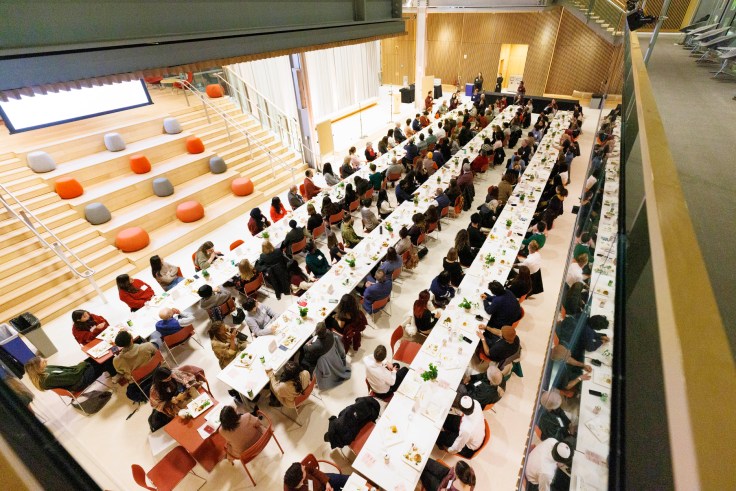
Of different faiths, but connected by belief
Community members gather to explore identity, spiritual experience at first ‘Across This Table’ interfaith dinner
‘Our students are seeking not just to coexist, but to understand’
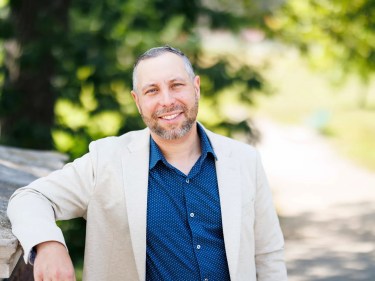
Harvard appoints Rabbi Getzel Davis as inaugural director of interfaith engagement
2 new initiatives strengthen Harvard’s academic engagement with Israel

Projects help students ‘build bridges’ across differences
Garber announces new actions the university will undertake to combat antisemitism in the campus community
Harvard University president announces President’s Building Bridges Fund
October 28, 2024

Presidential task forces deliver preliminary recommendations to Garber
June 26, 2024
From the Antisemitism Task Force: How to Repair a Fractured Harvard
May 23, 2024
Who should I contact?
Harvard University is committed to providing a safe campus environment. If you have experienced an incident of bias, read through the options in this section to understand the best next steps.
To learn more about support resources available across campus, see Resources in Times of Crisis.
The Task Force concluded its work upon the release of its final report on April 29, 2025. Members of the Harvard community are encouraged to use the resources listed in this section.
Contact HUPD immediately at 617-495-1212 if your physical safety is threatened at any time or if you receive an email that contains a physical threat to your life, safety, or property.
First, contact one of your School’s Local Designated Resources (LDRs). They are available to assist community members who may have experienced bullying or discrimination, and will be able to discuss your concerns and advise you on your options.
If for any reason, including potential conflicts of interest, you do not feel comfortable speaking with your LDRs, contact the Office of Community Conduct (OCC). Similar to engaging with an LDR, OCC will be able to discuss concerns and advise you on your options. OCC will coordinate with LDRs within your School or Unit as appropriate.
You may also wish to contact the Harvard Ombuds Office, a confidential resource available to anyone from the Harvard community where you can voice concerns, clarify goals, and consider options. Any issue affecting one’s work or studies may be brought to an Ombuds. Discussion with an Ombuds is not the same as filing a complaint.
Contact the Anonymous Reporting Hotline.
The Hotline may be most useful for making the University aware of issues or concerns when you do not wish to file a formal complaint. Reports are accepted 24 hours a day, 7 days a week. Reported issues are referred to the relevant School or Unit for review and follow up. Reporters have the option to remain anonymous and are provided with a means to communicate anonymously with the hotline while their case is open. If you would like to engage in a conversation or learn more about University policies, your LDR or the Ombuds Office may be better options.