Harvard Homepage
The COVID-19 vaccine is just the most recent in Harvard’s long history of researching, treating, and helping to eradicate illnesses and diseases.
A watershed moment for vaccines
Vaccines are underfunded, understudied, and underappreciated as a vital tool in public health. Could COVID-19 be the start of a vaccine renaissance?
Read more
COVID-19 vaccine safety
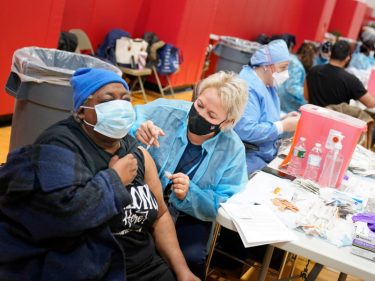
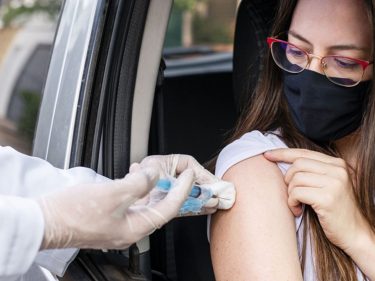
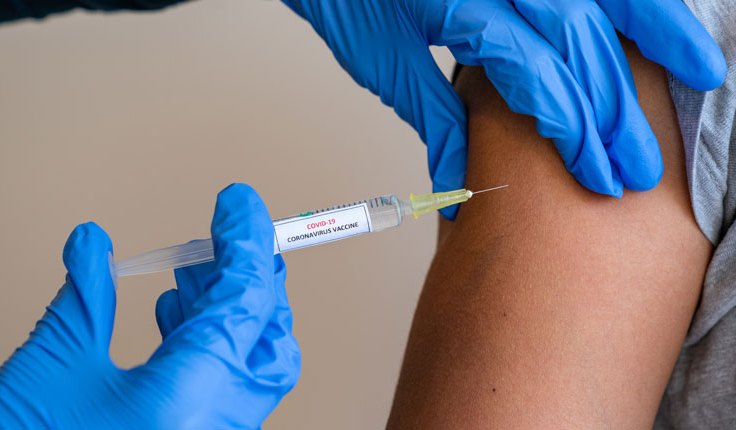
Over the past year, results from a series of clinical trials have demonstrated the efficacy and safety of COVID-19 vaccines in preventing serious illness, hospitalizations, and deaths.
COVID-19 vaccine safetyCOVID-19 vaccine protects mothers and their newborns
New research at Harvard Medical School
Scientists explore a new single-shot COVID vaccine
Peak immunity appears to last at least 11 months.
On the front line
Harvard faculty have been researching COVID-19 and working to develop effective COVID-19 vaccines and therapies.
Dan H. Barouch
Dan Barouch was awarded Harvard’s George Ledlie Prize for his work on the Johnson & Johnson COVID-19 vaccine.
Kizzmekia S. Corbett
Leading coronavirus scientist, Kizzmekia S. Corbett, joined the Harvard T.H. Chan School of Public Health to continue vaccine development research.
Jagpreet Chhatwal
Using a simulator that models the trajectory of COVID-19 in the U.S., Jagpreet Chhatwal predicts that the delta variant, along with other factors, will likely lead to a surge in COVID-19–related deaths.
How vaccines work
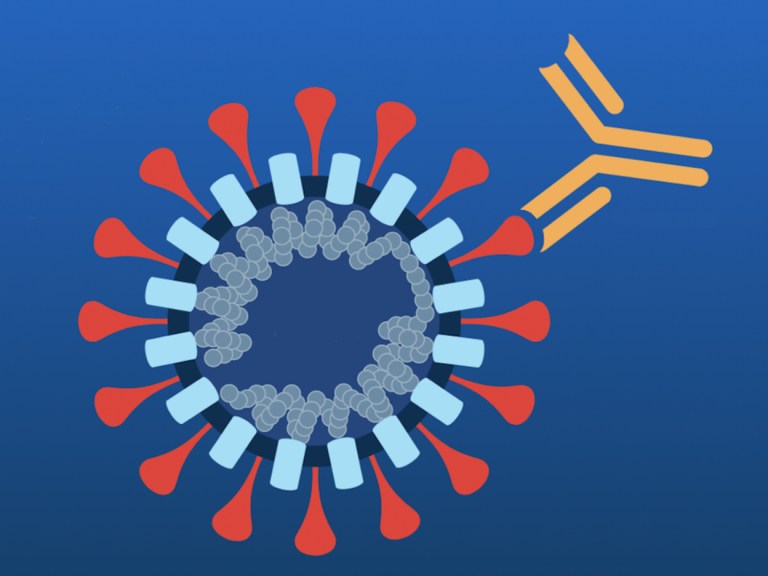
The mRNA COVID vaccine uses established research to create a safe and effective defense against coronavirus. In this video we explain how it works.
LabXchange Simulation
Could you make a COVID-19 vaccine?
In this simulation you can design a sequence of experiments to generate a coronavirus vaccine.
History: past pandemics
Benjamin Waterhouse, co-founder of Harvard Medical School, is known as the first doctor to test the smallpox vaccine in the United States. The Countway Library features artifacts of his time in a virtual exhibit.
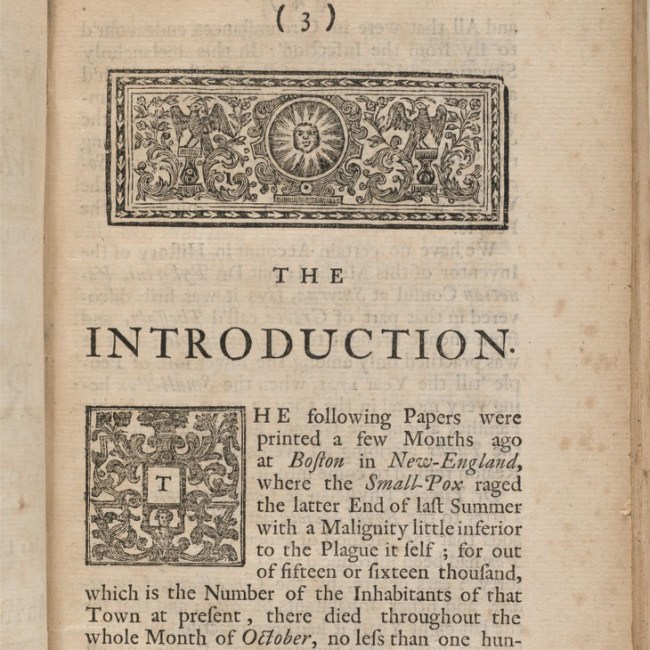
It was widely known that survivors of smallpox were immune to later occurrences of the disease. This led to the practice of inoculation–the deliberate introduction of living smallpox virus to cause a mild (it was to be hoped) case of the disease that would provide immunity. The practice of inoculation developed in many parts of the world.
Despite the promise that inoculation seemed to hold for controlling smallpox, the Boston smallpox epidemic of 1721 is known for the passionate controversy over inoculation that erupted in the city, most visibly between Harvard alum Reverend Cotton Mather and Boston physician William Douglass. Mather had learned about inoculation in part from one of his enslaved servants. After inoculating his own son, Mather advocated strongly for inoculation as the Boston epidemic grew. Most Boston physicians, as well as the general public, however, argued against inoculation.
Learn more about the Boston smallpox epidemic at Harvard Library
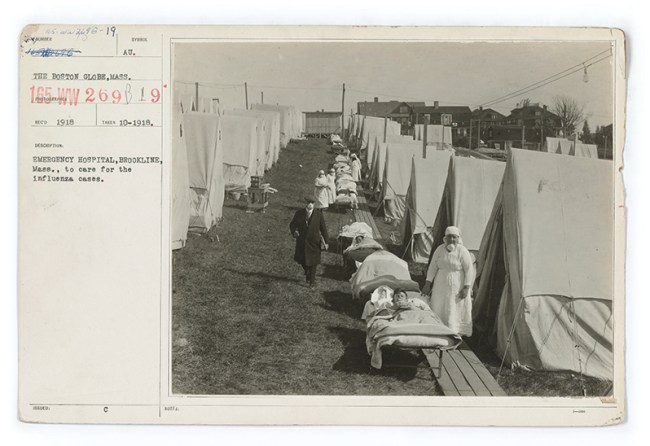
Greater Boston was ground zero in the United States for the Spanish Flu’s second wave in the fall of 1918. Proximity put Harvard Medical School students and faculty on the frontlines in the battle against the disease.
Edwin Allen Locke, M.D. 1901, an HMS assistant professor of medicine, set up an influenza ward in the South End’s Boston City Hospital, which treated 2,300 patients. Among the 675 who died were nine of 80 nurses infected and two of twenty sick doctors.
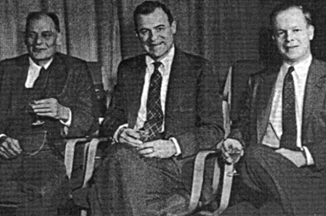
In 1954, John Enders, Frederick Robbins, and Thomas Weller received the Nobel Prize in Physiology and Medicine for their successful propagation of polio virus in tissue culture. Enders, sometimes called the “Father of Modern Vaccines,” was a Harvard student and faculty member who built upon decades of laboratory investigations. Enders’ lab’s discovery opened up a new approach to the study of viruses and made possible the production of a safe and effective vaccine in quantity. This science was foundational in his later discovery, a measles vaccine.
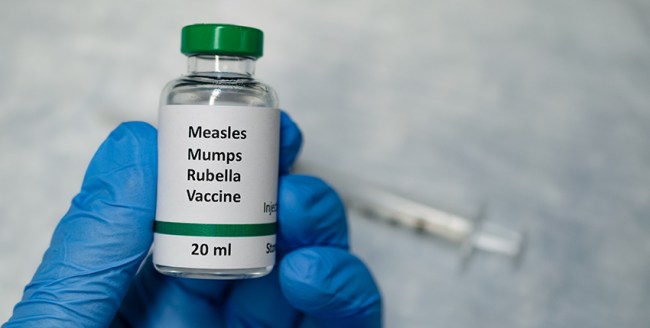
Over the last decade, evidence has mounted that the measles vaccine protects in two ways: not only does it prevent the well-known acute illness with spots and fever that frequently sends children to the hospital, but it also appears to protect from other infections over the long term.
An international team of researchers led by investigators at Harvard Medical School, Brigham and Women’s Hospital, and the Harvard T.H. Chan School of Public Health have shown that the measles virus wipes out 11 to 73% of the different antibodies that protect against viral and bacterial strains a person was previously immune to—anything from influenza to herpesvirus to bacteria that cause pneumonia and skin infections.
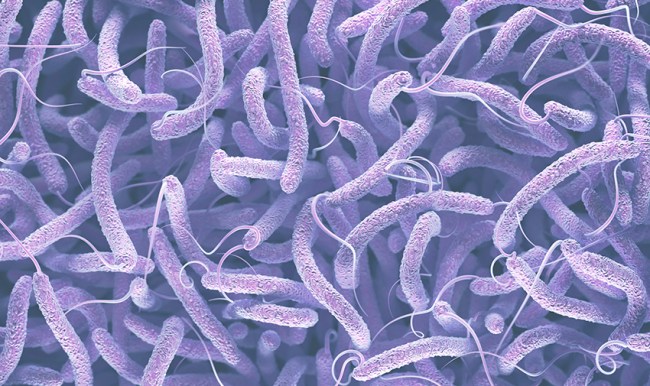
Every year, as many as 4 million cases and more than 100,000 deaths occur worldwide due to cholera, a bacterial disease usually spread through contaminated water.
For more than 30 years, through international collaboration in developing countries including Haiti and Bangladesh, Harvard researchers have been at the forefront of therapeutic approaches to eliminating the harmful effects of the ever-mutating bacteria.
Recently, Harvard Medical School investigators based at Massachusetts General Hospital have made new breakthroughs which could aid in creating a novel vaccine that interrupts the bacteria’s mobility.
Read more about the Medical School’s efforts to halt cholera
The future of vaccines
Scientists and researchers at Harvard are hard at work developing new and better vaccines.
Melanoma vaccines

Personalized vaccines designed to fight melanoma, the deadliest form of skin cancer, maintain their effects on the immune system years after inoculation.
Cancer vaccines

Researchers at Harvard’s Wyss Institute are working on an implantable cancer vaccine to treat specific tumor types.
Biomaterial vaccines

Effective vaccines could act as a defense against bacterial infections and some of their most severe consequences, including sepsis.
Keep learning
Join the Harvard community and learn more about vaccines and health, along with many other topics.
Lessons from Ebola: Preventing the Next Pandemic
Available now
PredictionX: John Snow and the Cholera Epidemic of 1854
Available now
MalariaX: Defeating Malaria from the Genes to the Globe
Closing soon
Vaccine Development
Available now
Confronting COVID-19: Science, History, Policy
Available now
YOU MAY ALSO LIKE