Museums
Museums
Once simple cabinets of curiosity, museums have grown into institutes for preserving, studying, and displaying science, history, and art.
Today, as culture-defining institutions, they are working to incorporate more voices and reckon with past practices.
Recent discoveries
Museums aren’t just places for storing and preserving works and artifacts, they also support experts who are actively fostering new discoveries through research and scholarship.
Figuring out how they roll
Trilobite fossils, which have been part of the Harvard Museum of Comparative Zoology’s collections for 145 years, are inspiring new research and discoveries.
Peeling back the layers
Kéla Jackson, a Ph.D. student in Harvard’s Department of the History of Art and Architecture, explores the literal and figurative layers behind Louis Delsarte’s lithograph print “Unity.”
Drink like an ancient Egyptian
The remains of a 5000-year-old brewery found in the ancient Egyptian city of Abydos are providing insights into the relationship between large-scale beer production and the development of kingship in Egypt.
The art of inclusion
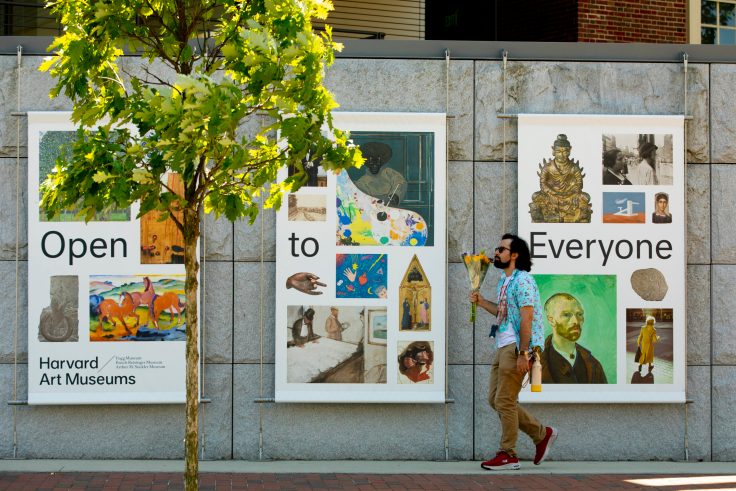
Art for all
“We are thrilled to implement this new comprehensive free admission policy, which will remain in place permanently,” said Martha Tedeschi, director of the Harvard Art Museums. “Taking this step represents our deep commitment to serving all audiences, enhancing our mission of teaching and research, and becoming a center where discovery, exchange, inclusion, and learning can flourish for all.”
Art for allExpanding narratives
Experts discuss whose stories get told with exhibits, and how that can improve.
Creating connections
Archaeology students shared their research in nearly 90 virtual classrooms to inspire a new generation.
Increasing access
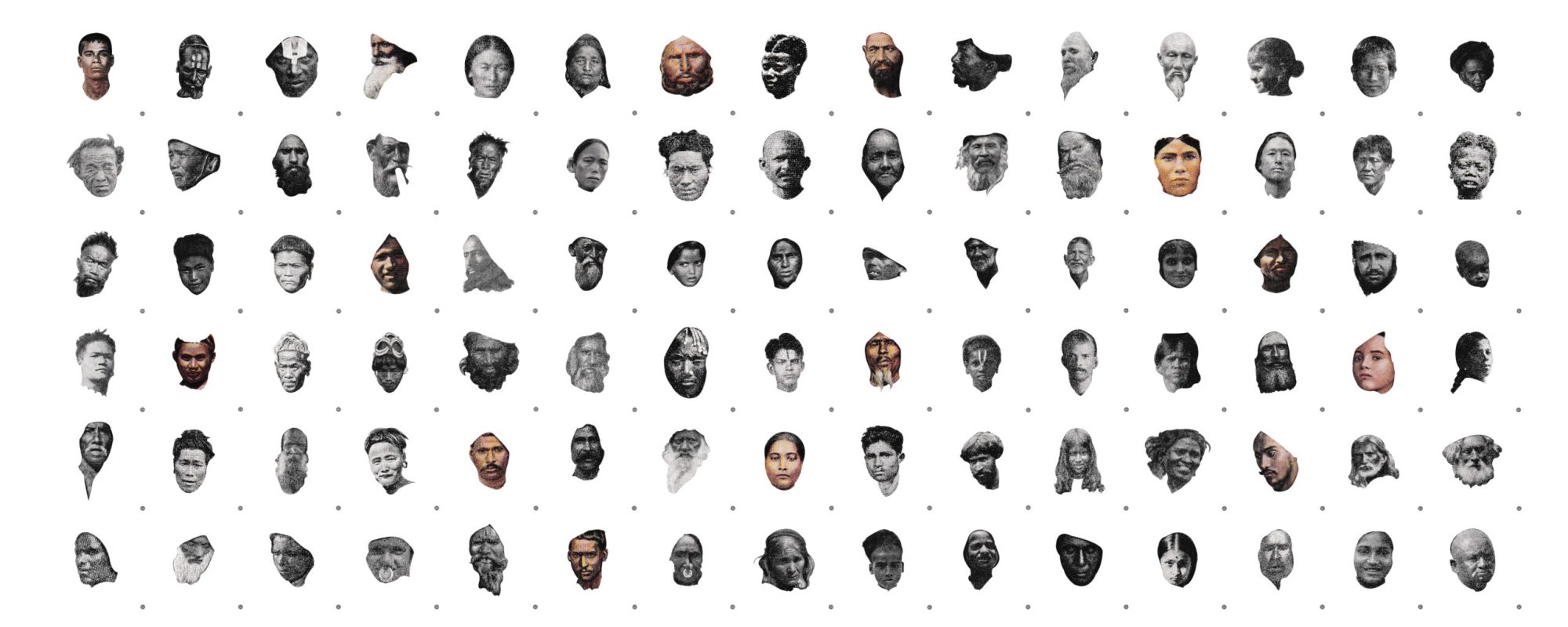
Harvard’s Peabody Museum digitized 32,000 photos of Kalahari Desert indigenous people and shared them with the featured communities.
Diversifying exhibits
A Harvard alum is finding ways to increase the diversity of museum collections, staffing, programming, and education.
Reimagining accessibility
“Touch tours,” utilizing touchable replicas of artifacts, allow visitors with visual impairments to experience museum exhibits.
For your viewing pleasure
All across campus, Harvard museums are researching, curating, and displaying items from their rich collections to help visitors gain a deeper understanding of the world around us.
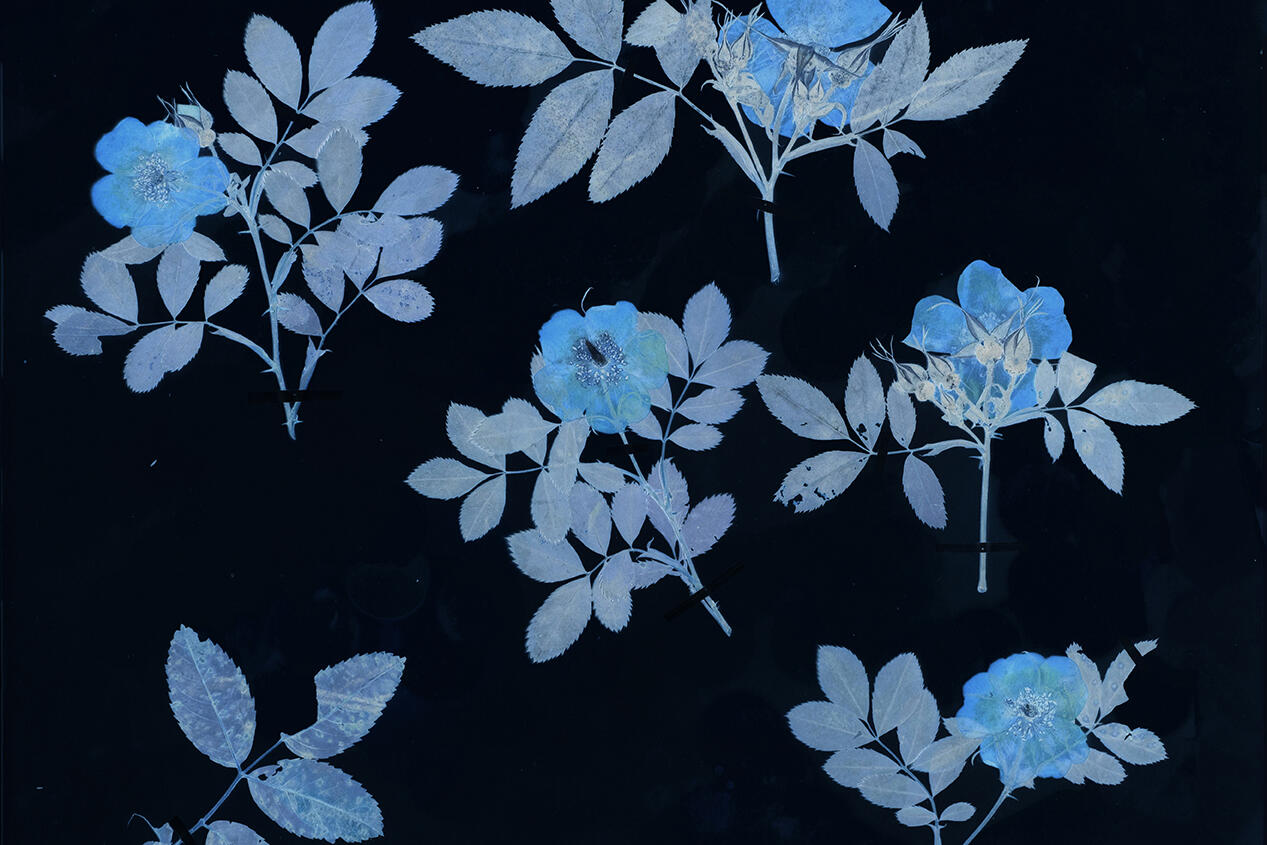
In Search of Thoreau’s Flowers: An Exploration of Change and Loss
An immersive multidisciplinary experience that marries art and science through a modern artistic interpretation of Henry David Thoreau’s preserved plants.

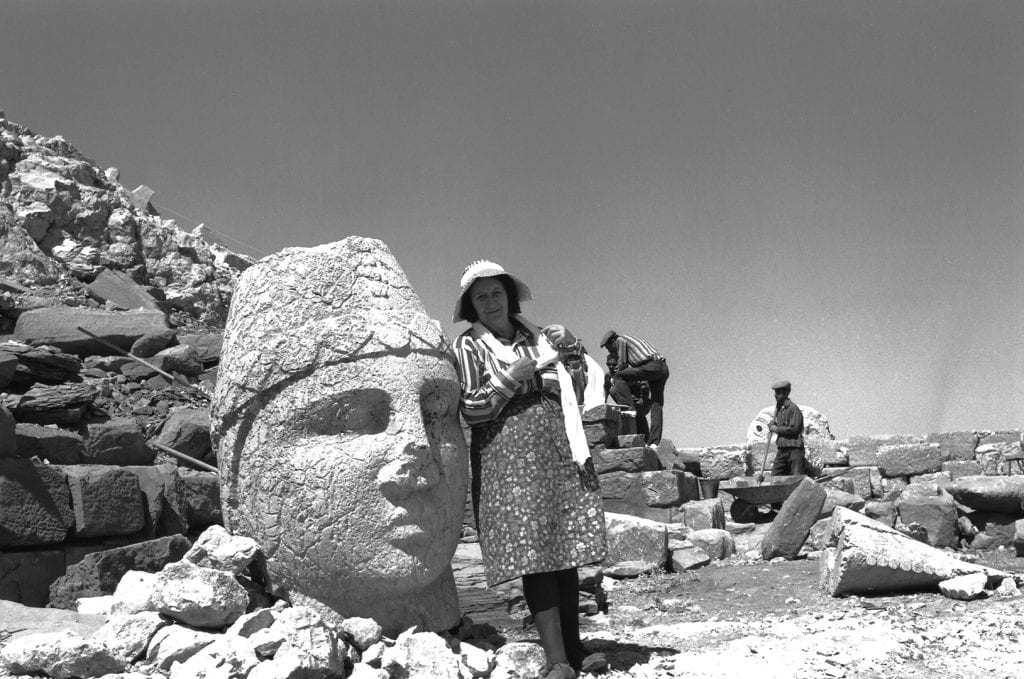
The Groundbreaker
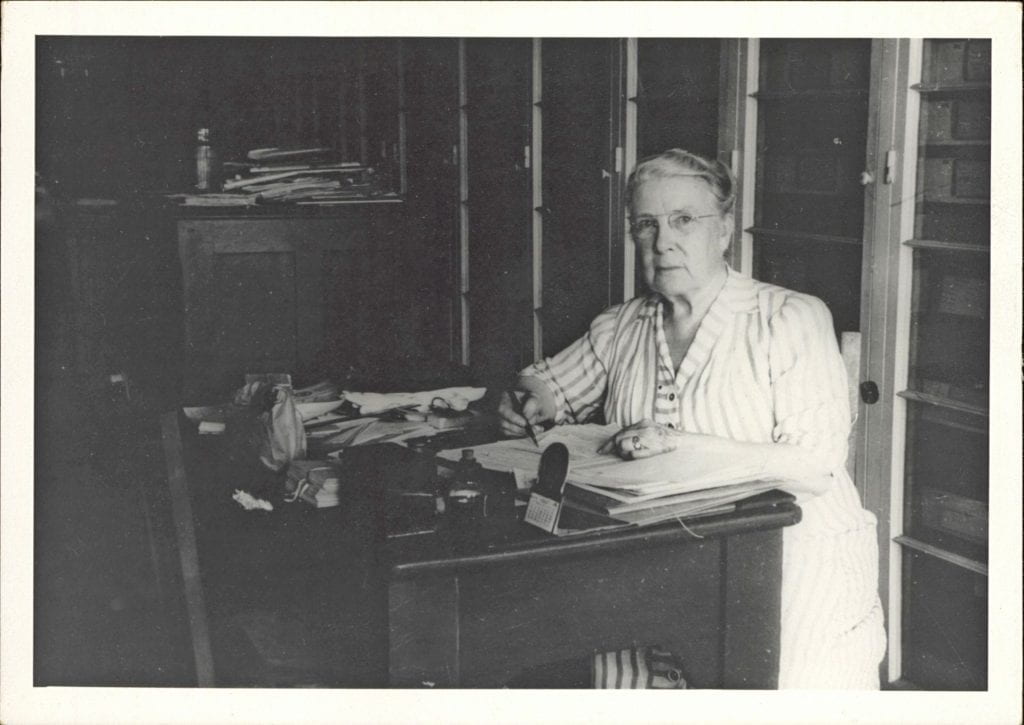
While the archaeological field today includes many women, there were limited opportunities for women to excel during the early years of the profession. But a number of strong women had the tenacity and perseverance to push through the discrimination of the time and succeeded alongside men.

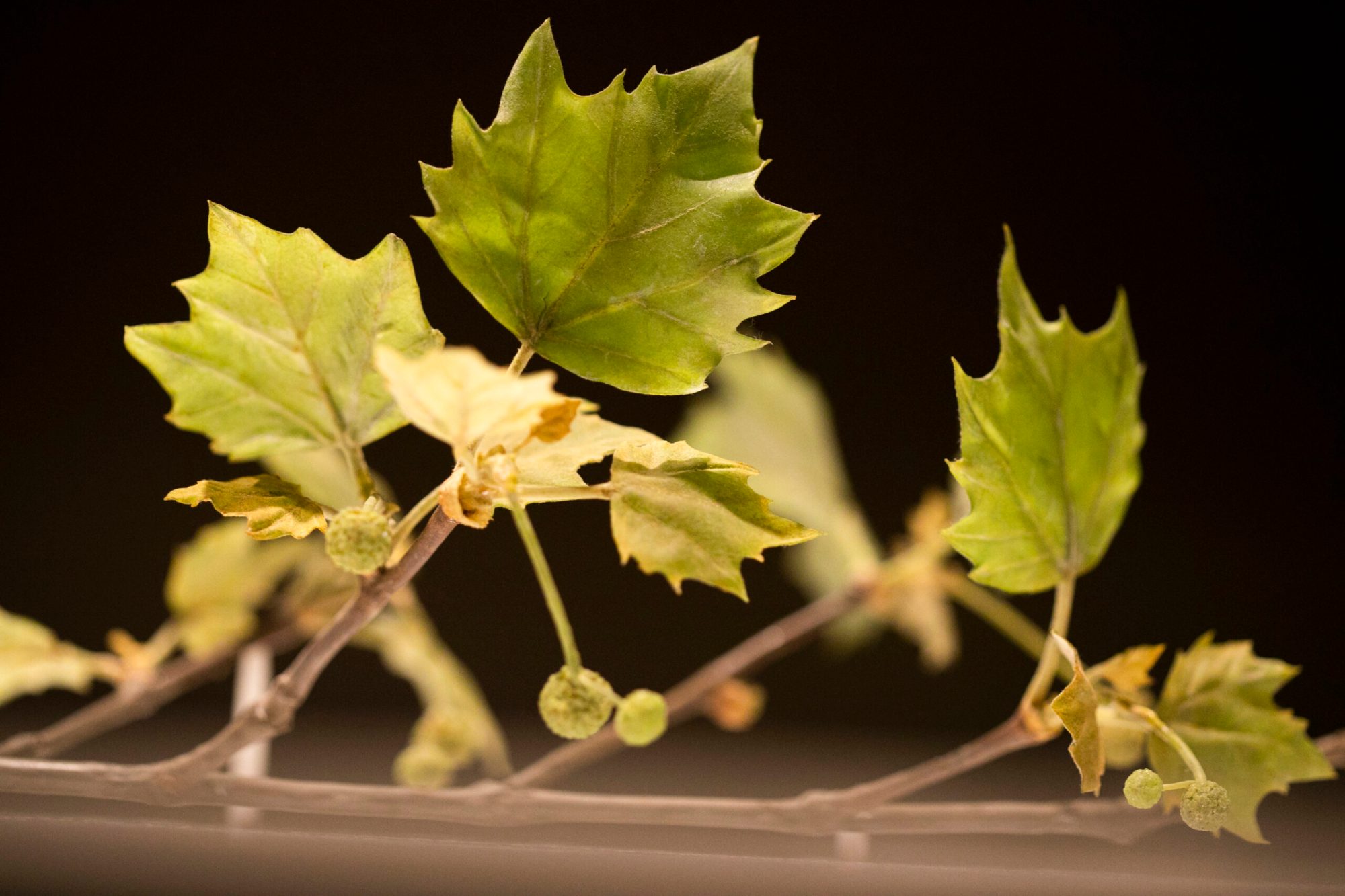
Glass Flowers: The Ware Collection of Blaschka Glass Models of Plants
This unique collection was made by Leopold and Rudolf Blaschka, a father and son team of Czech glass artists. From 1886 through 1936, the Blaschkas produced 4,300 glass models that represent 780 plant species.

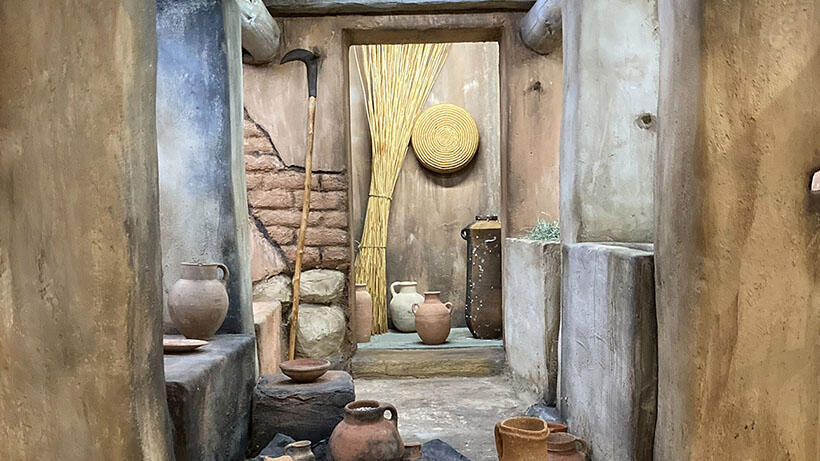
Mediterranean Marketplaces: Connecting the Ancient World
Explore how the movement of goods, peoples, and ideas around the ancient Mediterranean transformed the lives and livelihoods of people at all levels of society, driving innovations that had lasting impacts—even on the modern world.

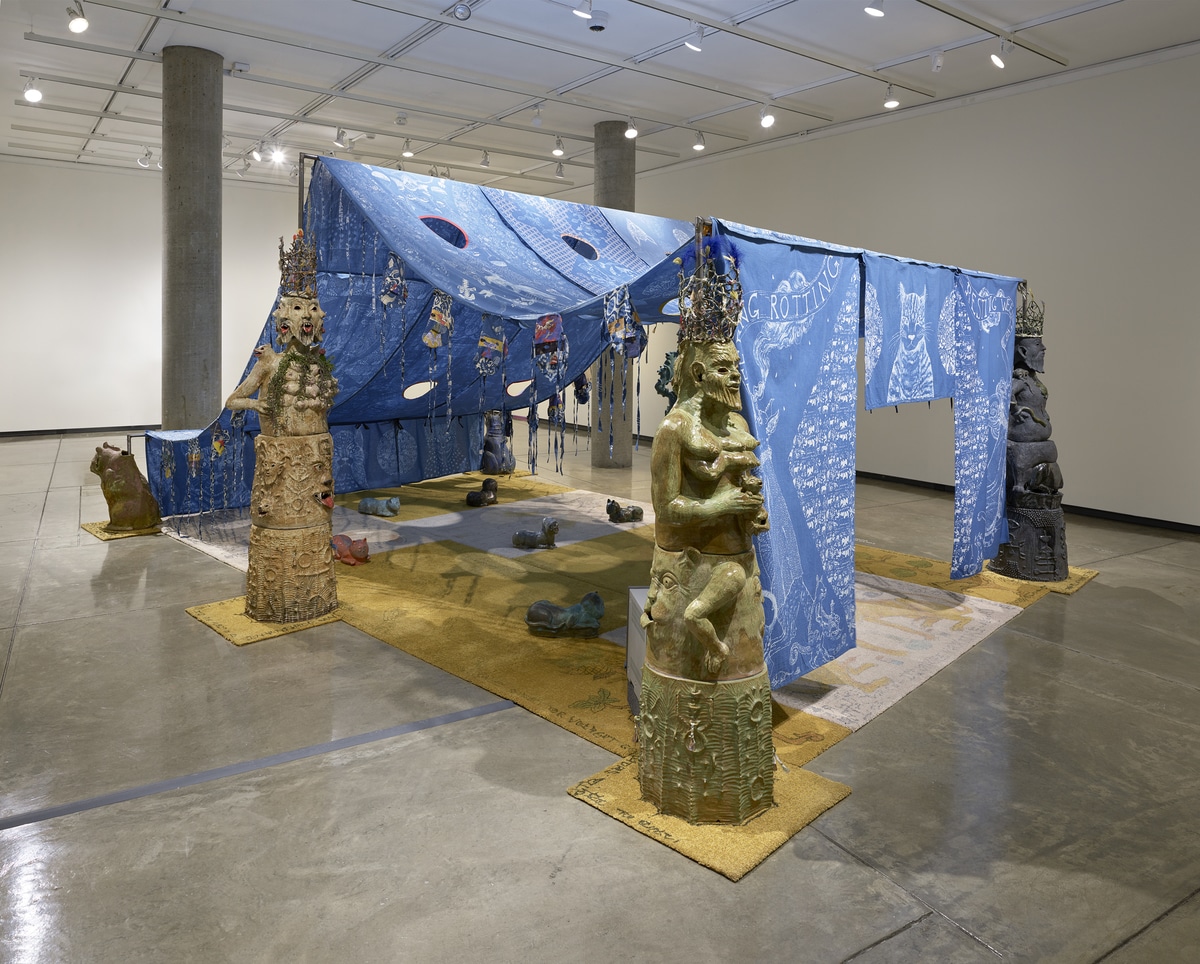
Candice Lin: Seeping, Rotting, Resting, Weeping
Composed of richly tactile elements that encourage communal gathering, this exhibit devised a set of experiences choreographed by often participatory works that take us through rituals of moving our bodies, touching, and sharing space.

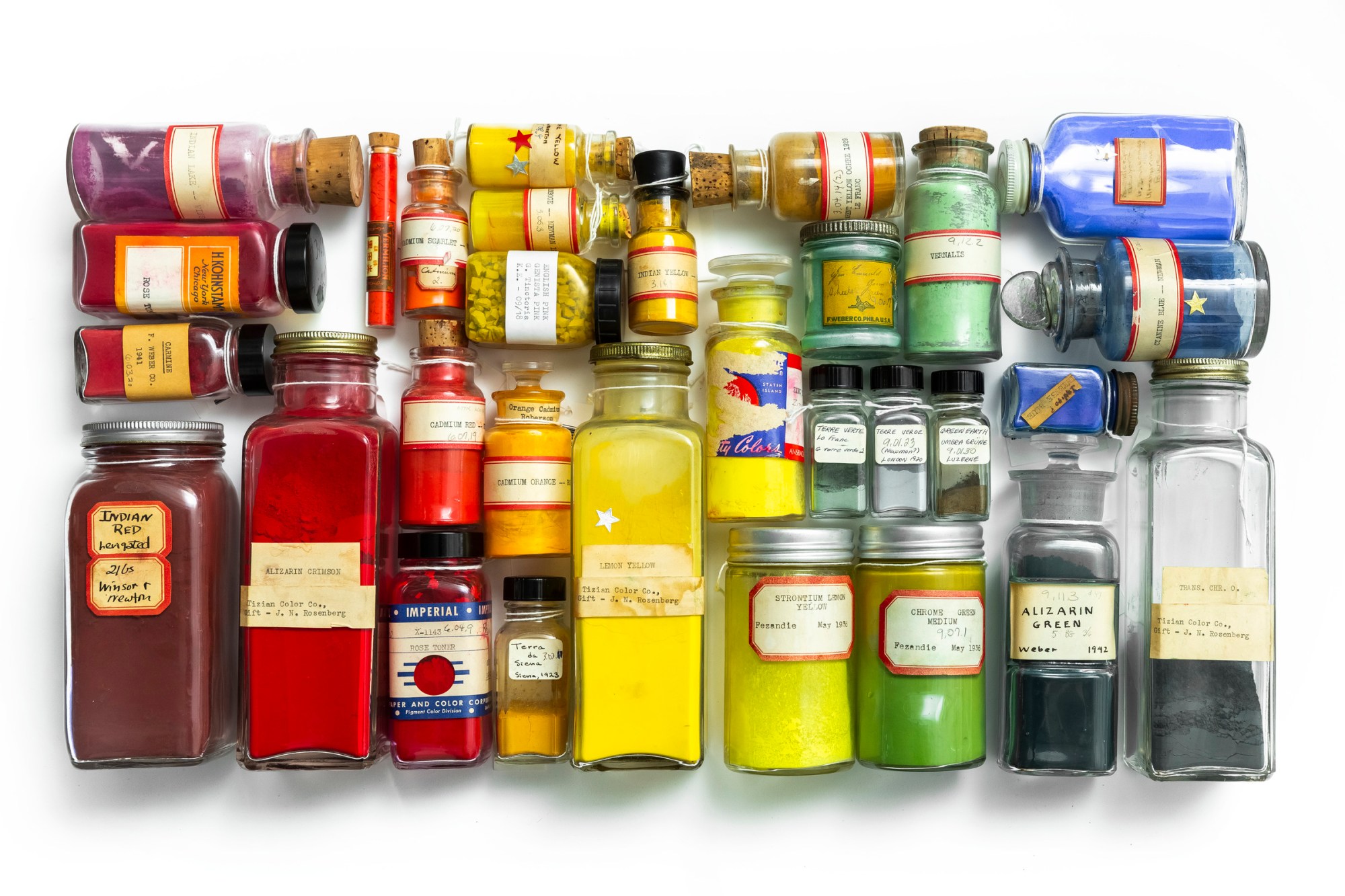
A History of Color: An Audio Tour of the Forbes Pigment Collection
Explore 27 pigments, dyes, and raw materials—from ochres and charcoal, the oldest pigments known to have been used by humans, to YInMn blue, which was discovered by accident in 2009. All colors are part of the Forbes Pigment Collection at the Harvard Art Museums, the world’s largest collection of historical pigments.

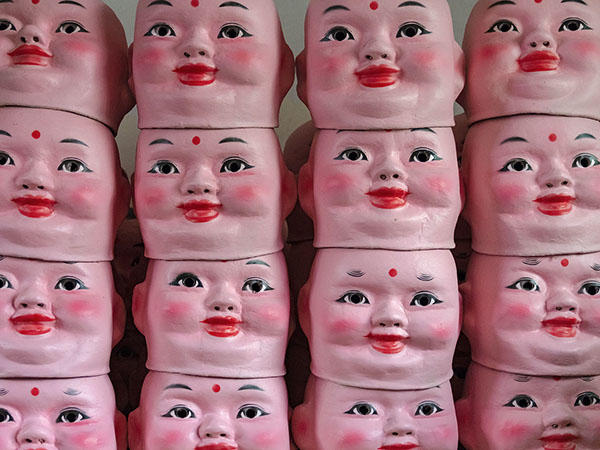
Shehuo: Community Fire 社火
A bilingual photographic exploration of the transformation of Shehuo (社火, Community Fire) , a traditional spring festival held in rural northern China that coincides with the Lunar New Year.

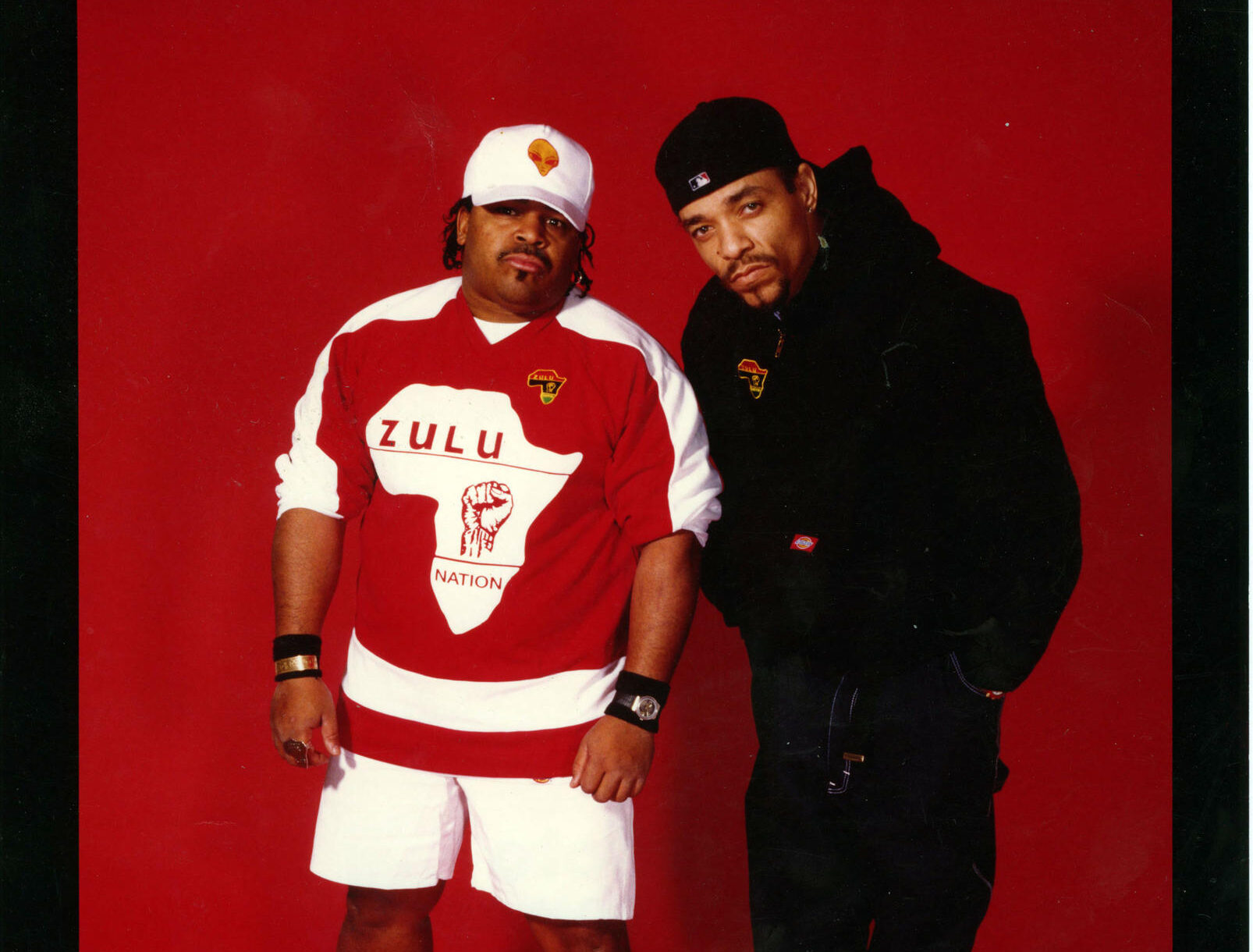
Day One DNA: 50 Years in Hiphop Culture
An immersive multimedia exhibition celebrating 50 years of hiphop culture through the archives of hiphop icons and longtime collaborators Ice T and DJ Afrika Islam.

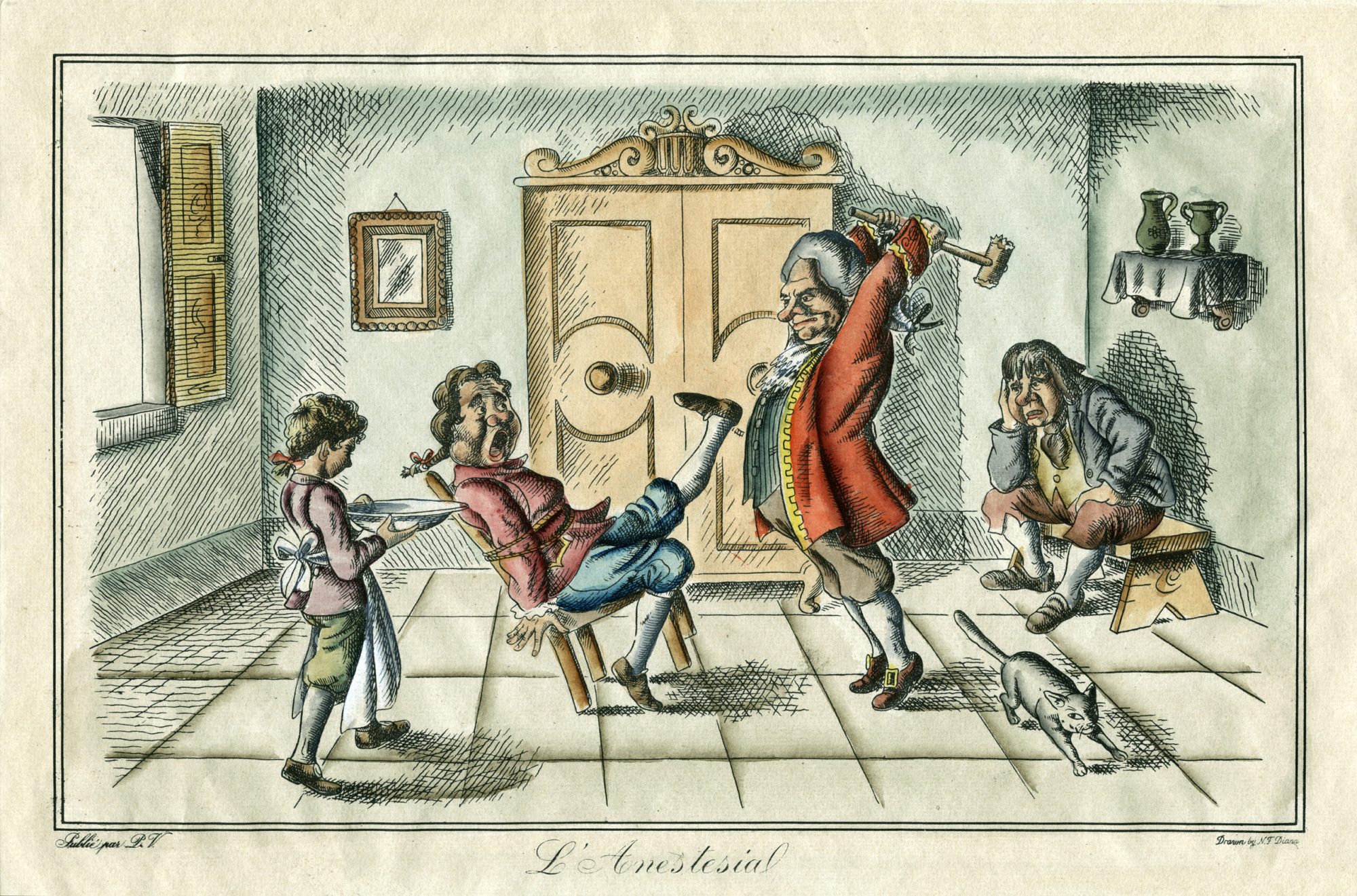
Painless
An exhibit curated by Brigham and Women's Hospital Archivist, Catherine Pate. It is presented as an online version of a physical exhibit originally produced for the Brigham Education Institute in 2018.

The Bauhaus
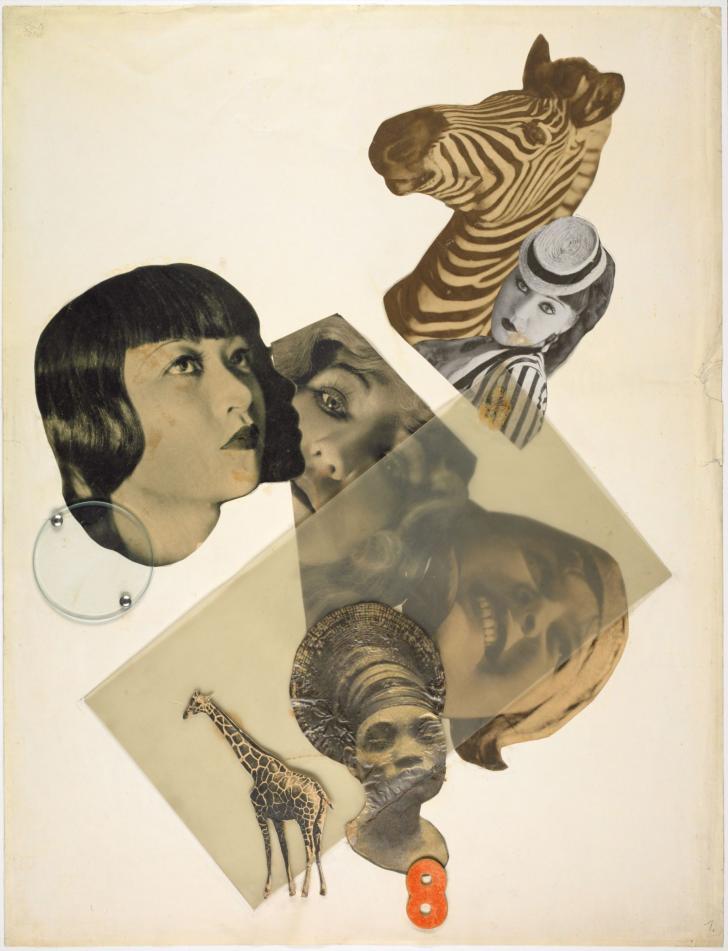
The Harvard Art Museums hold one of the first and largest collections relating to the Bauhaus, the 20th century’s most influential school of art and design. There are more than 32,000 Bauhaus-related objects to browse, and the site shares scholarship on the school’s extensive ties to Harvard and the Greater Boston area.

A Scroll Through The Overstory
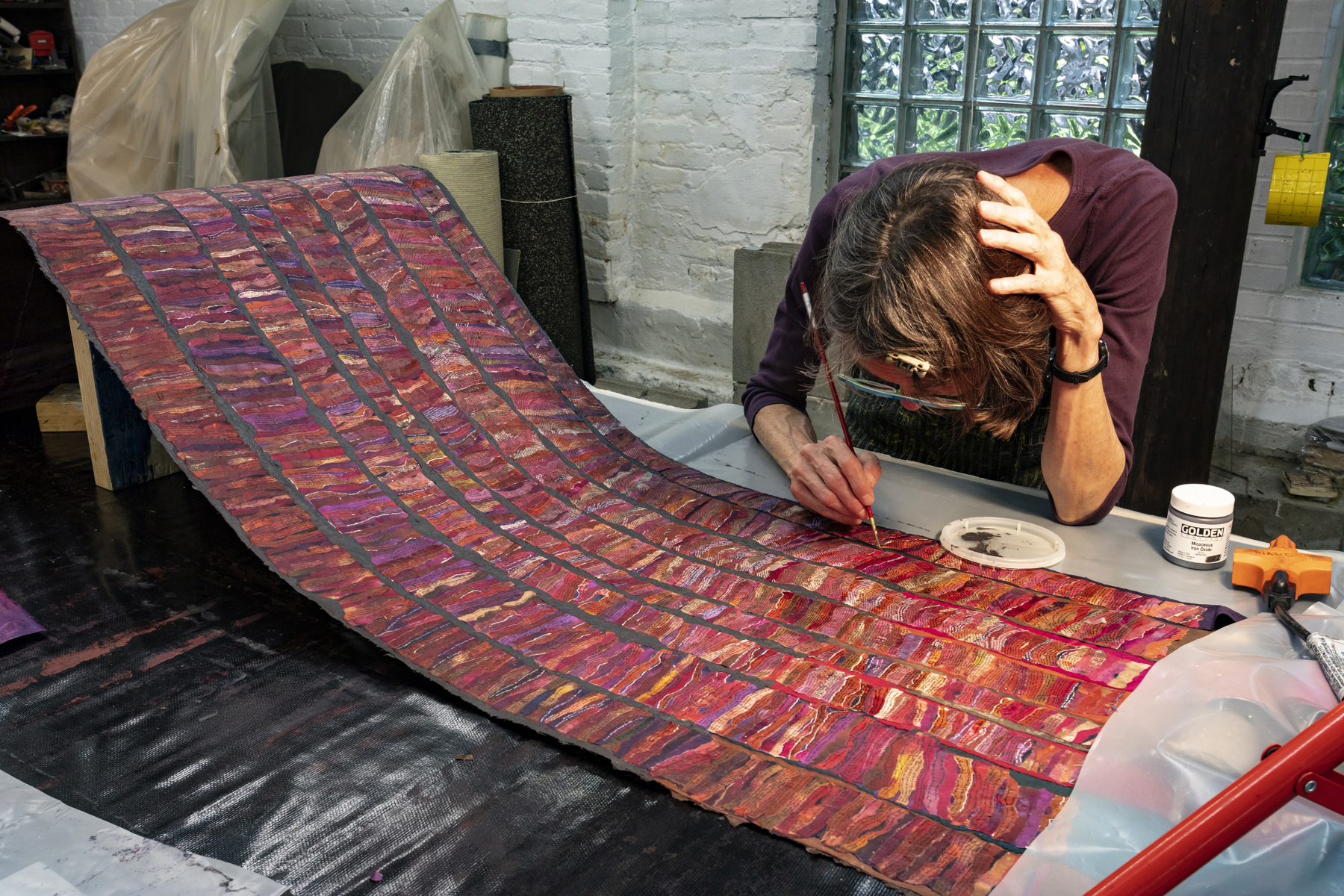
Artist Diane Samuels wrote Richard Powers' novel "The Overstory" in microscript on a scroll of vibrant colors and textures that reaches 160 feet, the height of a small coast redwood.

Devour the Land
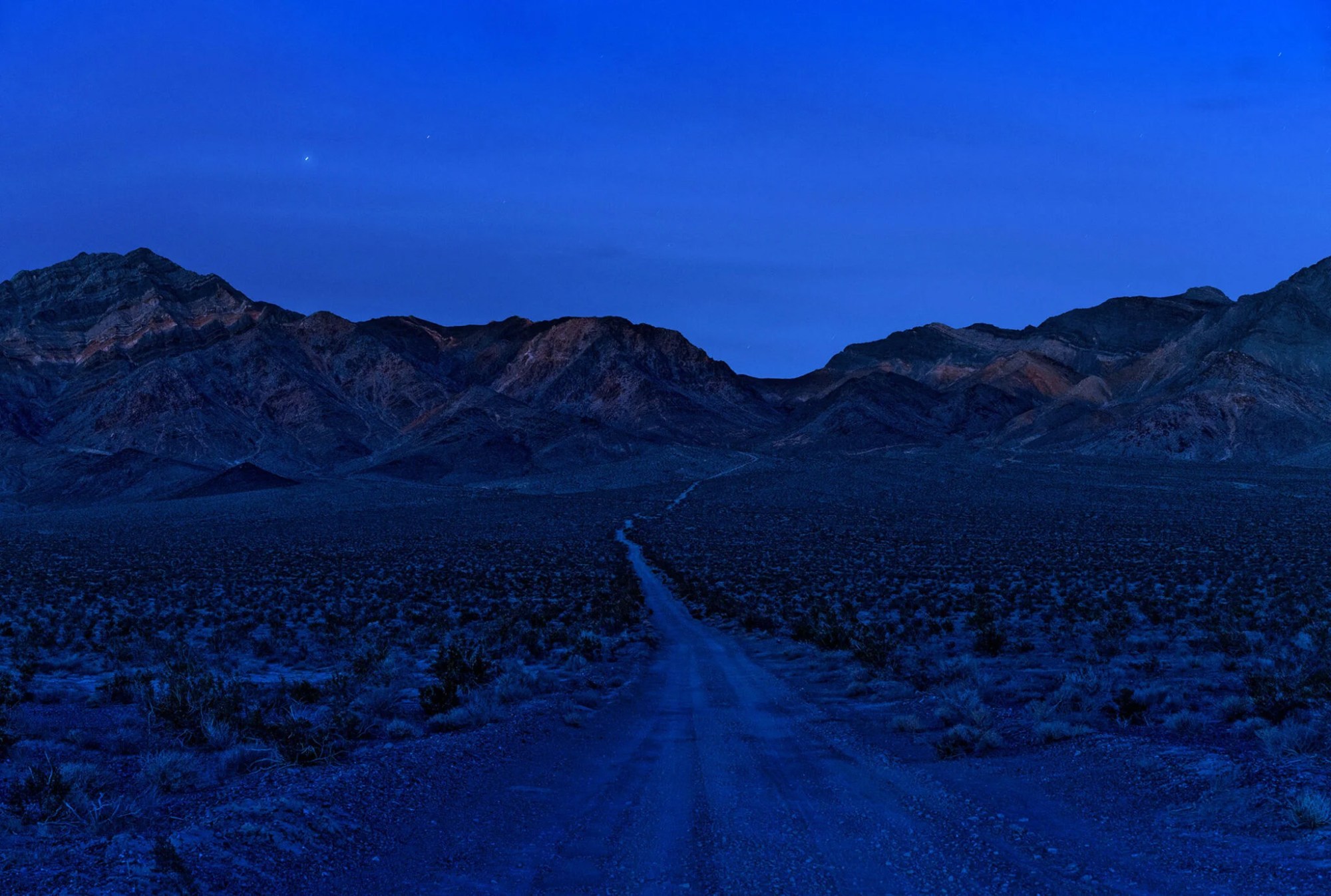
Curator Makeda Best considers how photographers have responded to the U.S. military’s impact on the environment since the 1970s.

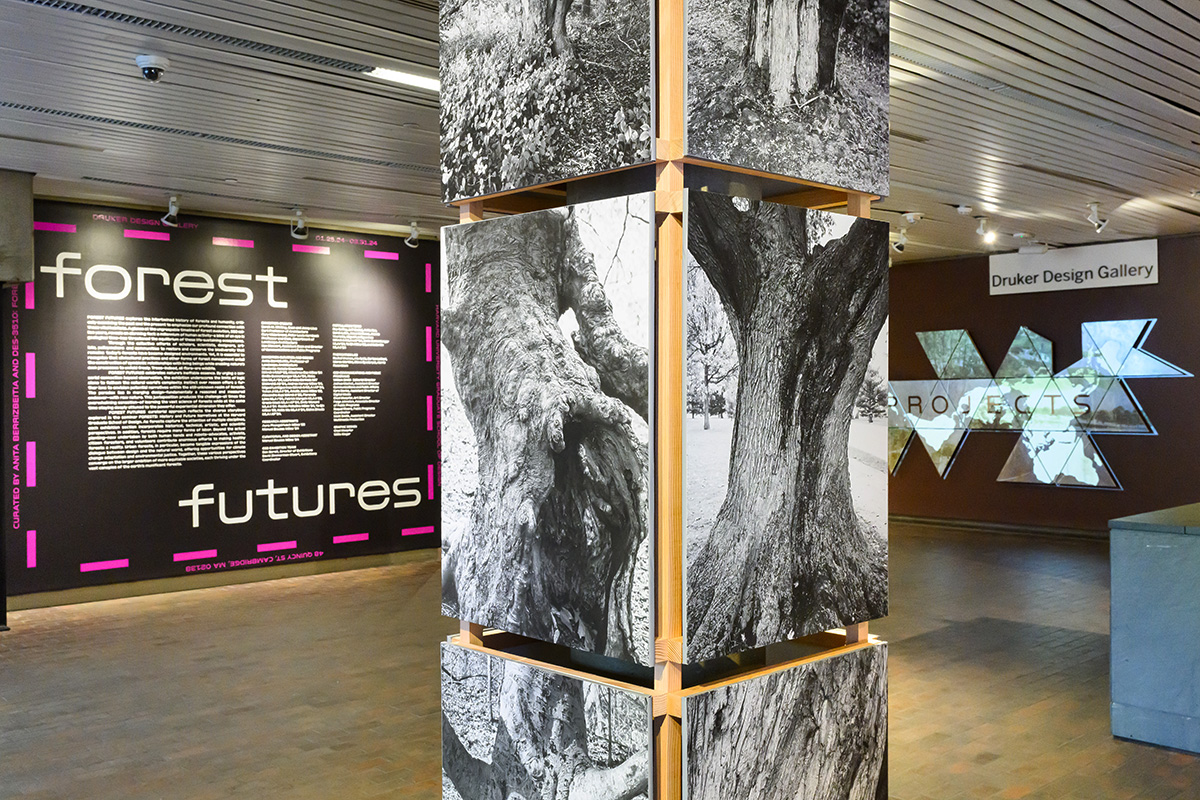
FOREST FUTURES
Exploring the intertwined history of forests and humanity, critically examining the past and the present to emphasize our profound connection with these vital habitats.

Visiting Artist Fellowship Art Exhibition
The Lakshmi Mittal and Family South Asia Institute welcomes Amra Fatima Khan and Waleed Zafar, two visual artists from Pakistan, who will be displaying and exploring art during their eight week fellowship.

Women of the Museum 1860-1920
When women first started working at the Museum of Comparative Zoology in the late nineteenth century, they were hired as assistants, secretaries, and librarians—and only rarely as curators.

Resetting the Table: Food & Our Changing Tastes
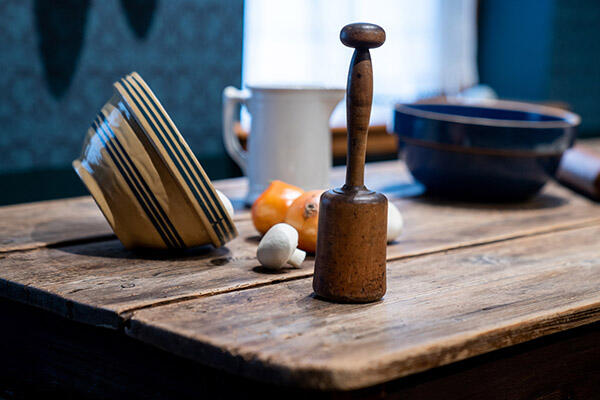
Food has long been a uniquely powerful measure of social inclusion: Who gets to eat oysters or drink champagne, and how might these privileges change over time?

Harvard IBM Mark I Automatic Calculator
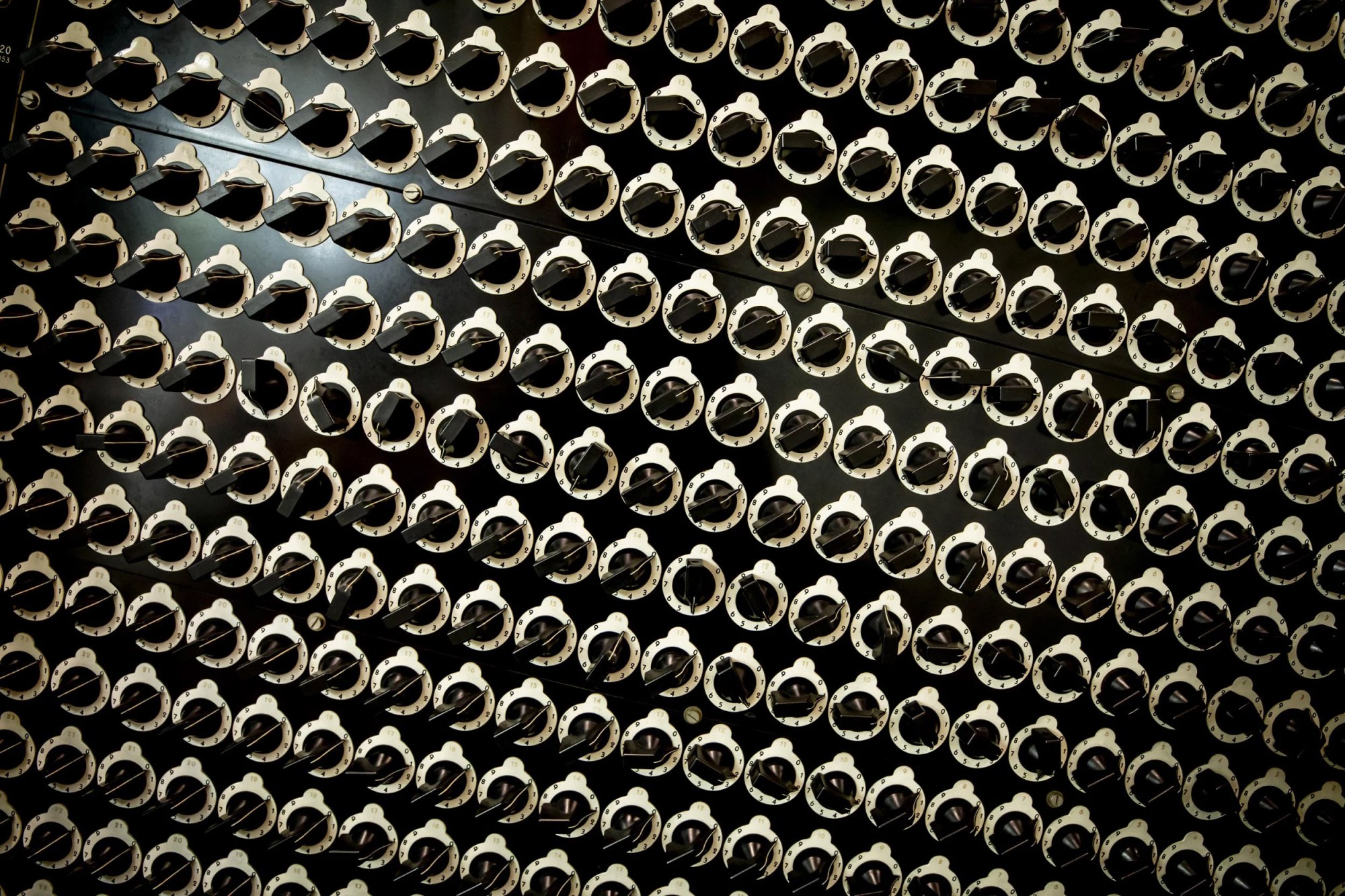
The machine—one of the world’s first programmable computers—has a new home at the Science and Engineering Complex, fittingly, where Harvard’s computer science programs reside.

Objects of Addiction: Opium, Empire, and the Chinese Art Trade
How did the sale of opium in China by Massachusetts merchants in the 19th century contribute to a growing appetite for Chinese art at Harvard at the start of the 20th century?
These exhibits were curated by just a handful of the many museums and galleries sprinkled across Harvard’s campus.
- The Harvard Art Museums
- Harvard Museums of Science & Culture
- Harvard Museum of Natural History
- Collection of Historical Scientific Instruments
- Peabody Museum of Archaeology and Ethnology
- Harvard Museum of the Ancient Near East
- Carpenter Center for the Visual Arts
- Arnold Arboretum
- Fisher Museum at the Harvard Forest
- Museum of Comparative Zoology
- Warren Anatomical Museum
- Harvard University Herbaria
- Mineralogical and Geological Museum
- Gallery 224
- GSD Kirkland Gallery
- Gutman Gallery
- The Alain Locke Gallery of African and African American Art
- Rudenstine Gallery
- Jacek E. Giedrojć Gallery
Moving forward to address the past
“It’s nice to bring these relatives home again”
How to liberate African art
The problem of historic language in museum collections
Repatriating the Gitxaała Totem Pole
Repatriation of Peruvian cultural patrimony
Learn more about Harvard's repatriation and return efforts
Explore all the work the Peabody Museum is doingYou may also like