GSAS at 150
Celebrating a century and a half of groundbreaking work in the arts, sciences, and everything in between
This academic year marks the 150th anniversary of the founding of Harvard’s Graduate School of Arts and Sciences (GSAS).
Learning and growing
Harvard’s Graduate School of Arts and Sciences has both struggled with inclusion and made monumental strides for equity and opportunity throughout its history. Explore the full timeline.
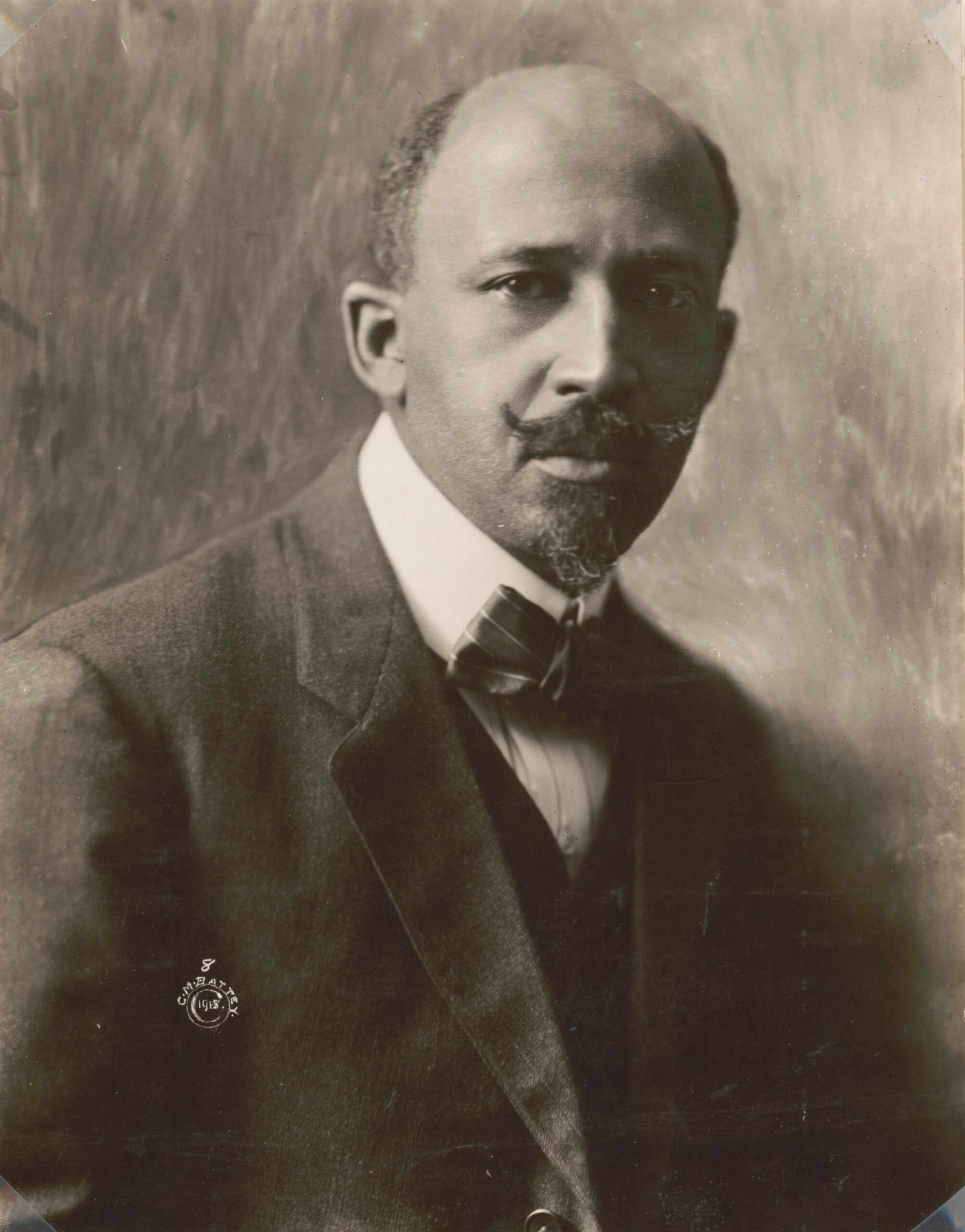
In 1895, W.E.B. Du Bois was the first African American to receive a Ph.D. He found little support from his classmates or the administration and often felt isolated. “I went to Harvard as a Negro … recognizing myself as a member of a segregated caste whose situation I accepted,” he wrote years later. After receiving his Ph.D., he went on to do groundbreaking work in sociology, becoming a leading intellectual of the first half of the 20th century.

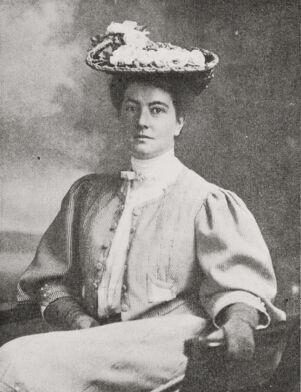
In 1902, Ethel Dench Puffer (Howes), a psychologist and suffrage movement leader, became the first woman to receive a Ph.D. Despite the backing of many Harvard professors who spoke to her qualifications for the degree, she became one of three women whom Harvard refused to award a doctorate. In 1902, Radcliffe stepped in to confer her Ph.D.

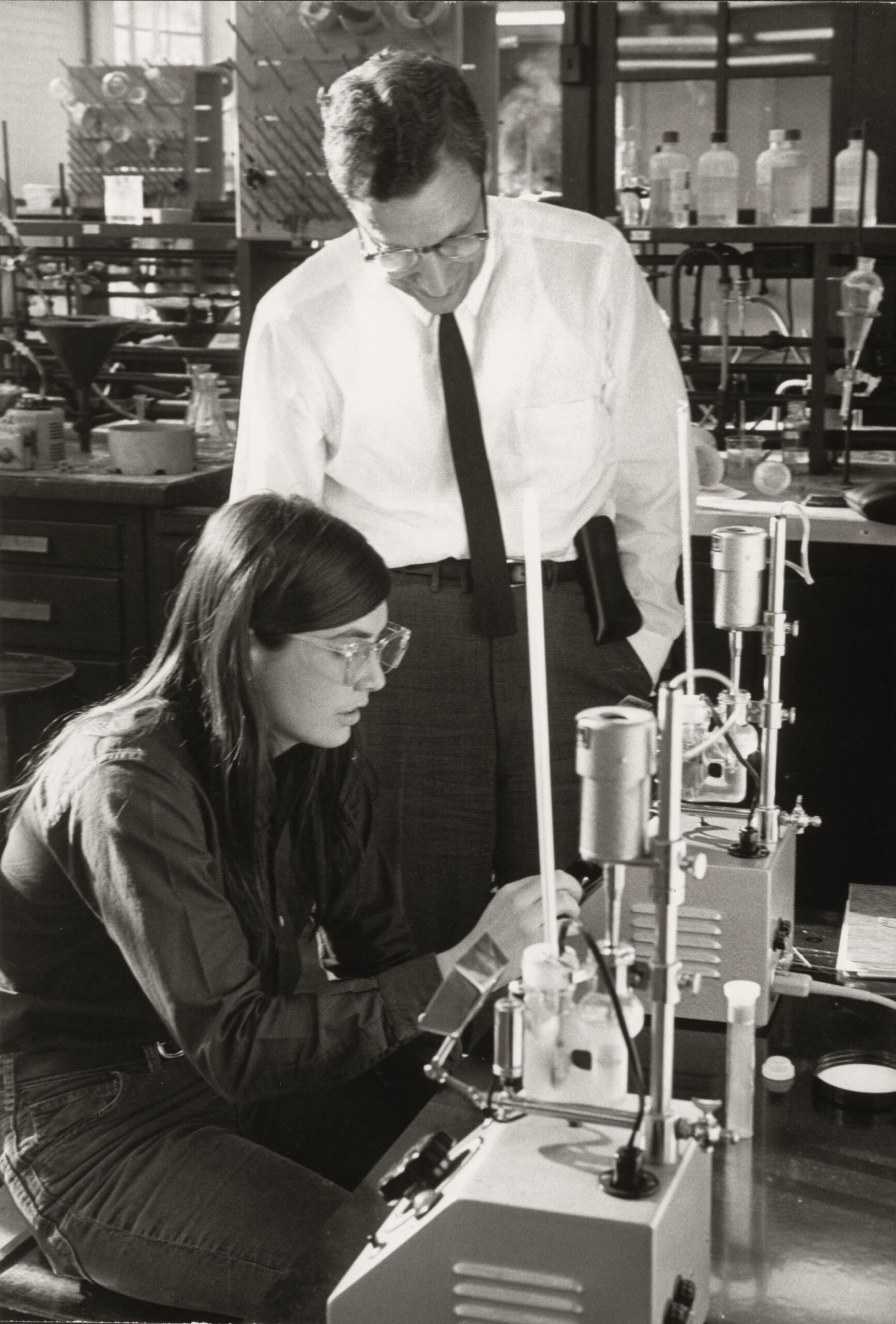
GSAS/Radcliffe student taking a chemistry course
In 1962, women were admitted and allowed to enroll at GSAS for the first time. This move officially recognized the longstanding reality that Radcliffe graduate students had always been advised and instructed by Harvard faculty and attended classes with male cohorts.

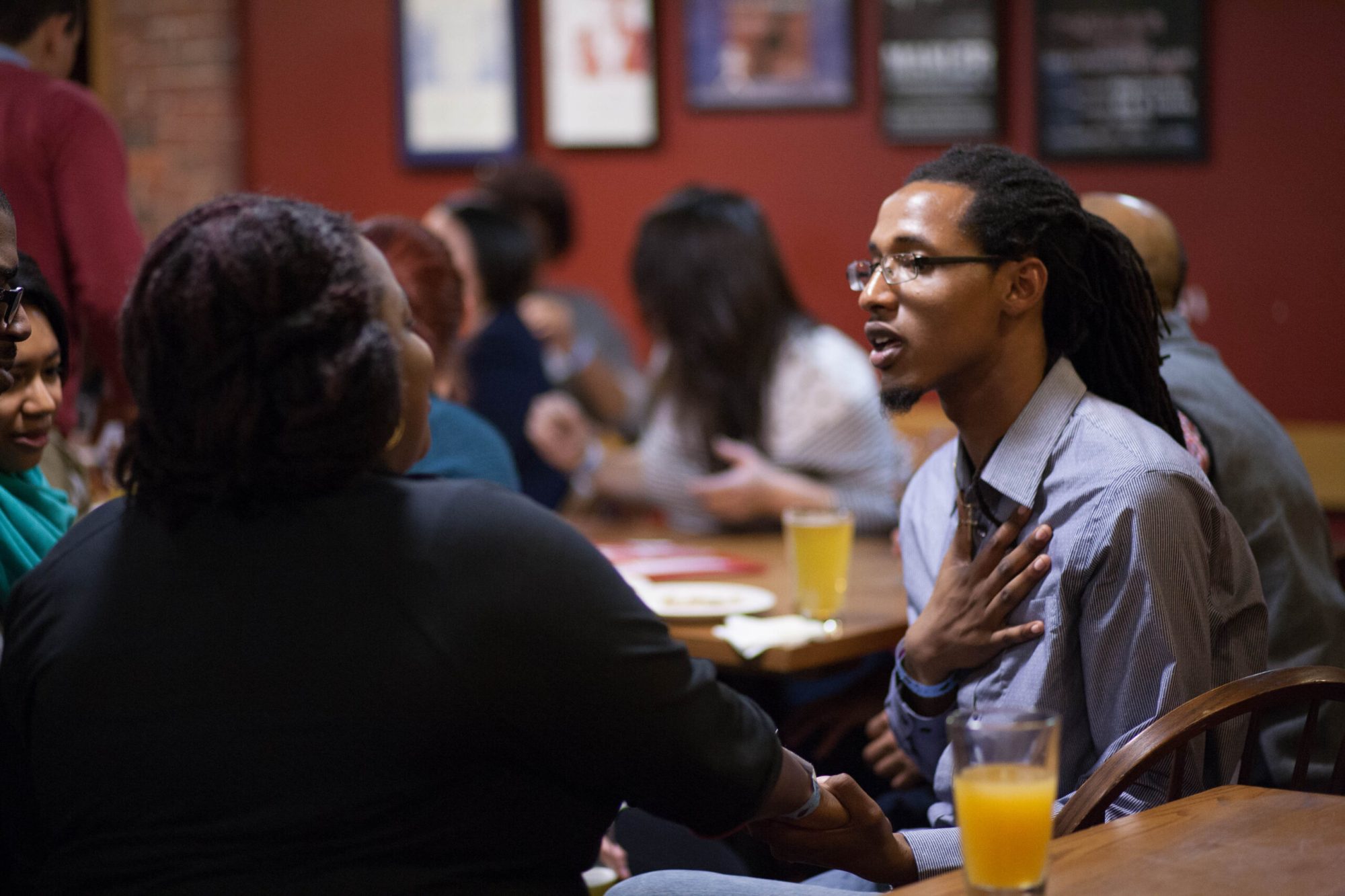
A 2015 new admissions event held at GSAS
In 1970, Dean J.P. Elder noted that the lack of diversity within the graduate student population stemmed from of a lack of candidates for admission, so a special assistant to the dean was tasked with visiting colleges throughout the United States. Thanks to these efforts, 170 Black undergraduates applied to GSAS in 1971 and 42 were ultimately offered admission.

In 1998, faculty approved a plan to guarantee four years of financial support to GSAS students upon admission. The move enabled the University to continue to attract and retain the best students and marked the expansion of a program that began earlier in the 20th century with student loans and need-based aid.

Exploring sustainability
Battling the gas giants
Ju Chulakadabba is using satellite technology to measure and locate methane emissions from oil and gas operations around the world.
Better batteries
Eric Fell’s passion for renewable energy drew him to research organic flow batteries, energy storage that’s designed to be affordable, safe, and renewable.
Fighting “forever chemicals”
Heidi Pickard is tracking down toxic per- and polyfluoroalkyl substances that contaminate surface waterways.
Harvard Horizons Scholars
Each year, eight outstanding Ph.D. candidates are chosen to receive personalized mentoring and coaching designed to enhance their presentation skills. The program culminates in a symposium at Sanders Theatre, where these scholars present their research.
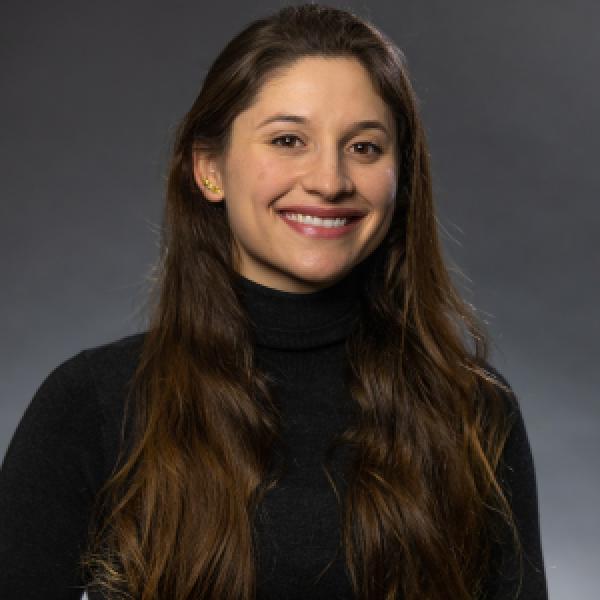
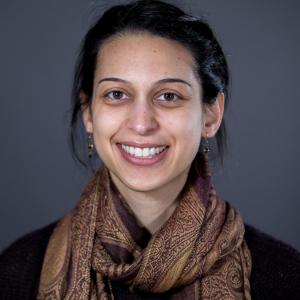
Juliana García-Mejía, astronomy
"The Tierras Observatory: an ultra-precise photometer to characterize nearby terrestrial planets"

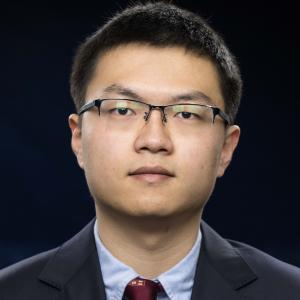
Liuchuan Tong, chemistry and chemical biology
"Energy storage for a sustainable future"

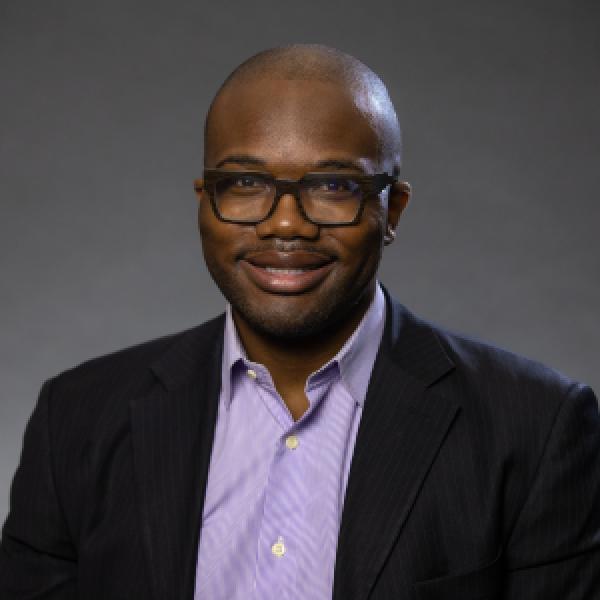
Chika Okafor, economics
"Prosecutor politics: the impact of election cycles on criminal sentencing in the era of rising incarceration"

Jess Kanwal, neuroscience
"A flavor of how the brain combines taste and smell"

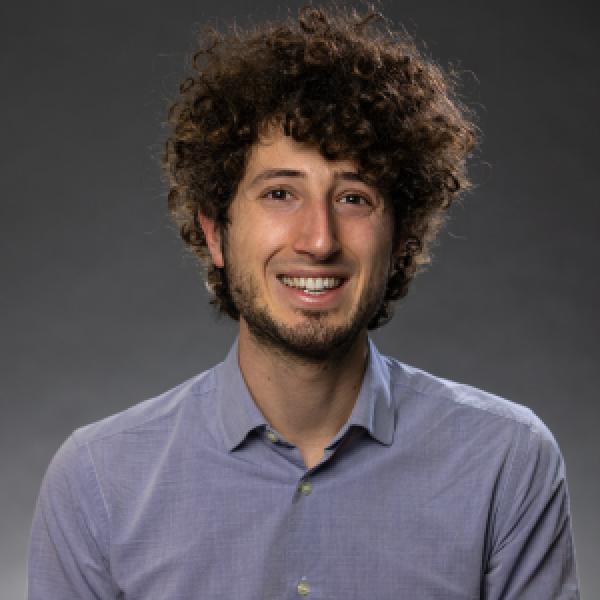
Nicolò Foppiani, physics
"Are neutrinos the key to the universe?"

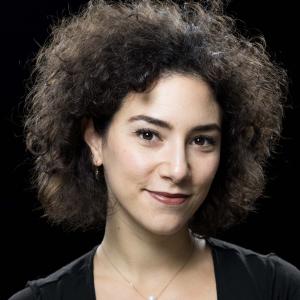
Argyro Nicolaou, comparative literature
"Europe and the cultural politics of mediterranean migrations"
Diving into history
Power to the people
In the 1930s, Ralph Bunche’s journey to Africa started his lifelong dedication to dismantling colonialism around the world.
Unraveling a sacred text
GSAS alum Mohsen Goudarzi is exploring the Qur’an through its text, its impact, and the mysteries that are still not fully understood.
Secrets of the pyramids
Julia Puglisi explored a 4,500-year-old cemetery to shed light on the way that ancient Egyptians lived.
Colloquy
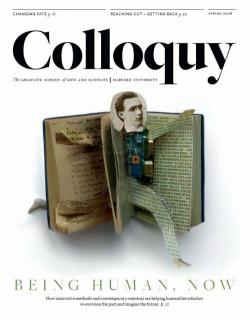
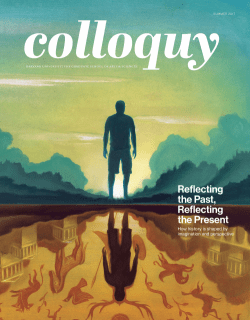
Since 2011, the GSAS magazine Colloquy has explored the research and impact of Harvard’s outstanding graduate students, alumni, and faculty.
In 2021 it was joined by the Colloquy podcast, a conversation with scholars and thinkers from Harvard’s Ph.D. community on some of the most pressing challenges of our time.
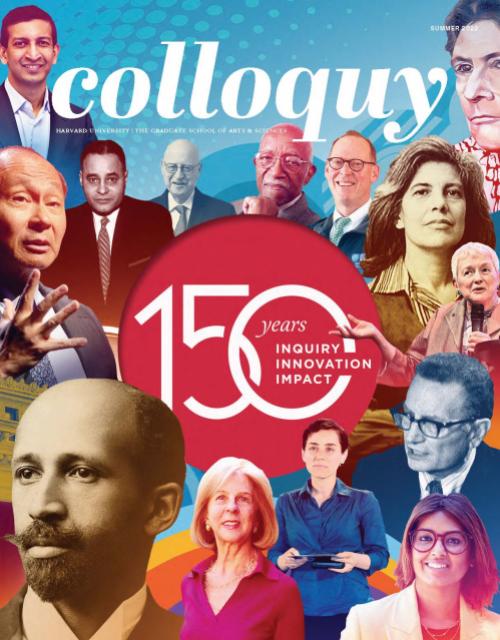
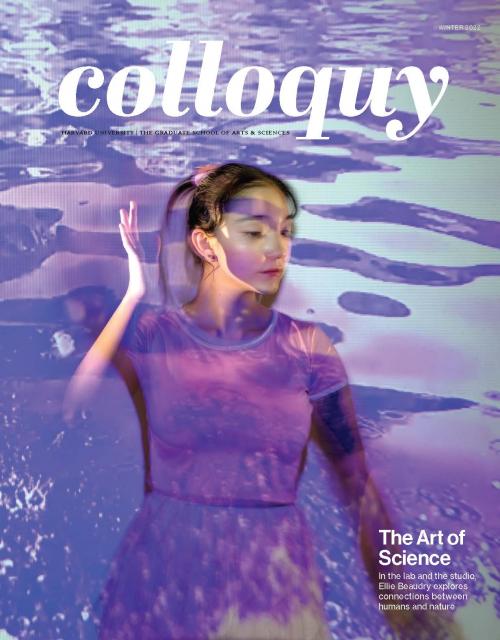
"150 years: inquiry, innovation, impact"

"The art of science"

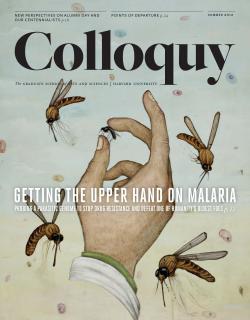
"Getting the upper hand on malaria"

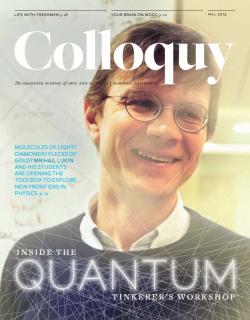
"Inside the quantum tinkerer's workshop"

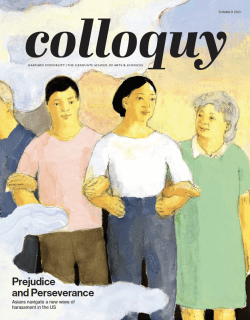
"Prejudice and perseverance"

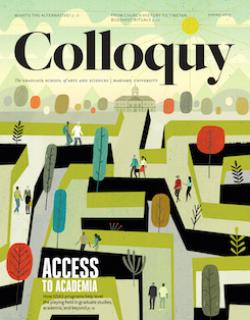
"Access to academia"

"Being human, now"

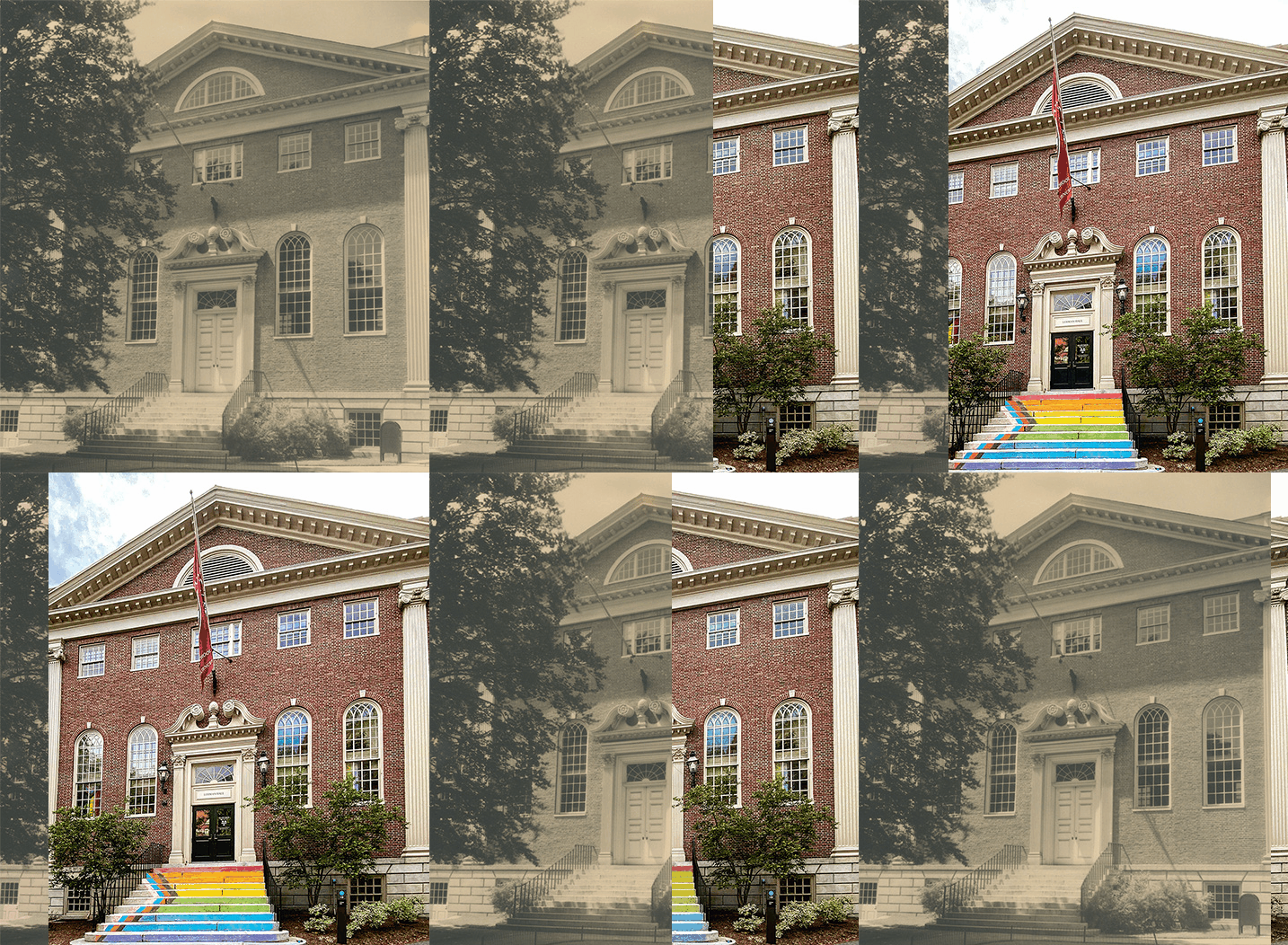
"Reflecting the past, reflecting the present"
Fostering equity
Mobility and prosperity
Raj Chetty’s American dream is to reduce the friction between hard work and opportunity.
Fostering success
Becca Bassett is working to reduce the systemic issues that affect low-income, first-generation college students.
Health and care
Alex McDowell is uncovering the inequities in LGBTQ health care and working to increase access to lifesaving care.
A legacy of exceptional alumni
Harvard’s Graduate School of Arts and Sciences alumni have sequenced the human genome, transformed global health, defined emotional intelligence, and advanced peace.
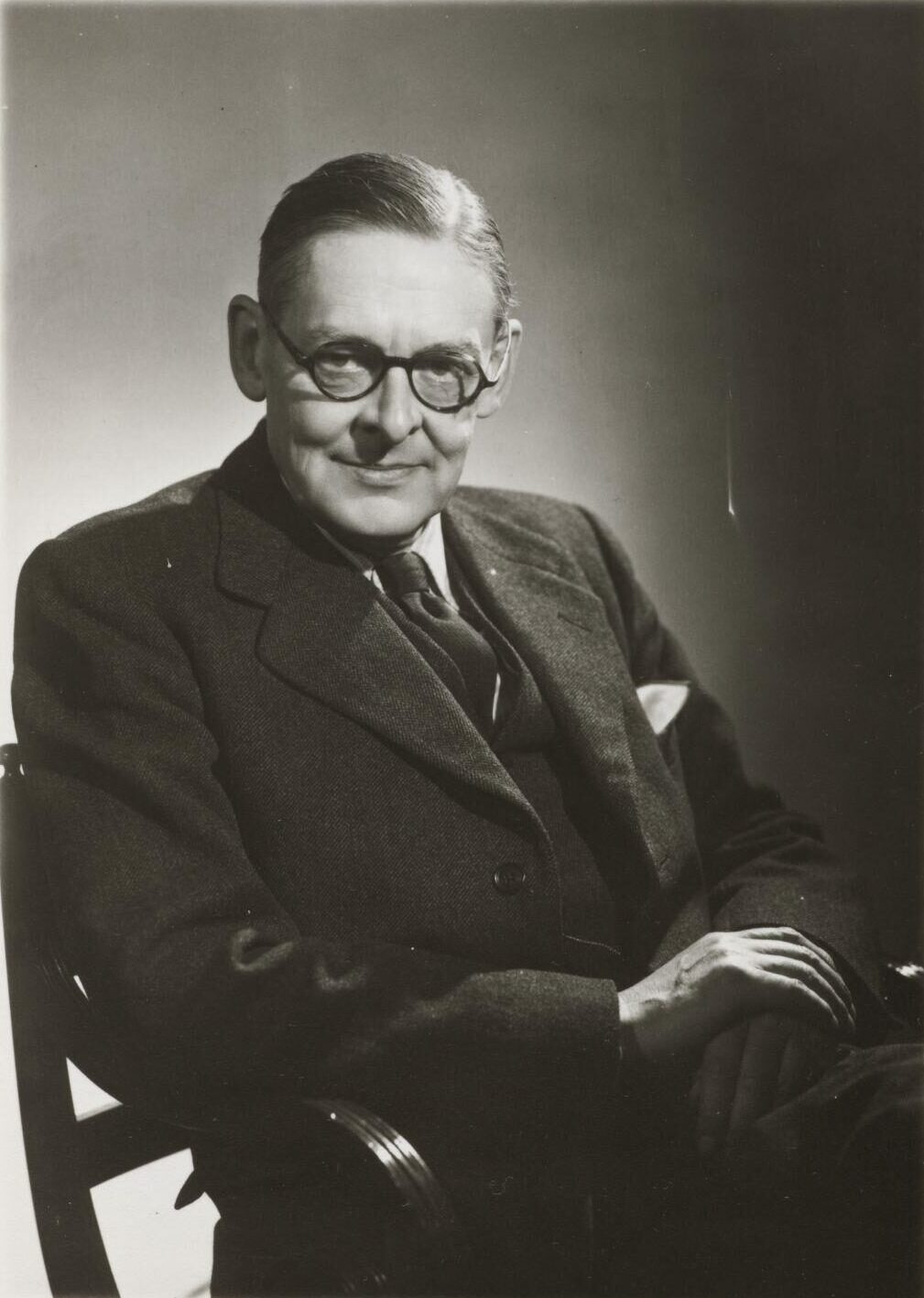
T.S. Eliot
T.S. Eliot wrote one of the great poems of the 20th century while studying Sanskrit and Greek as a Ph.D. student at GSAS. Written in 1911, only a year after Eliot’s graduation from Harvard College, “The Love Song of J. Alfred Prufrock,” was a landmark work that helped to usher in the era of literary modernism.

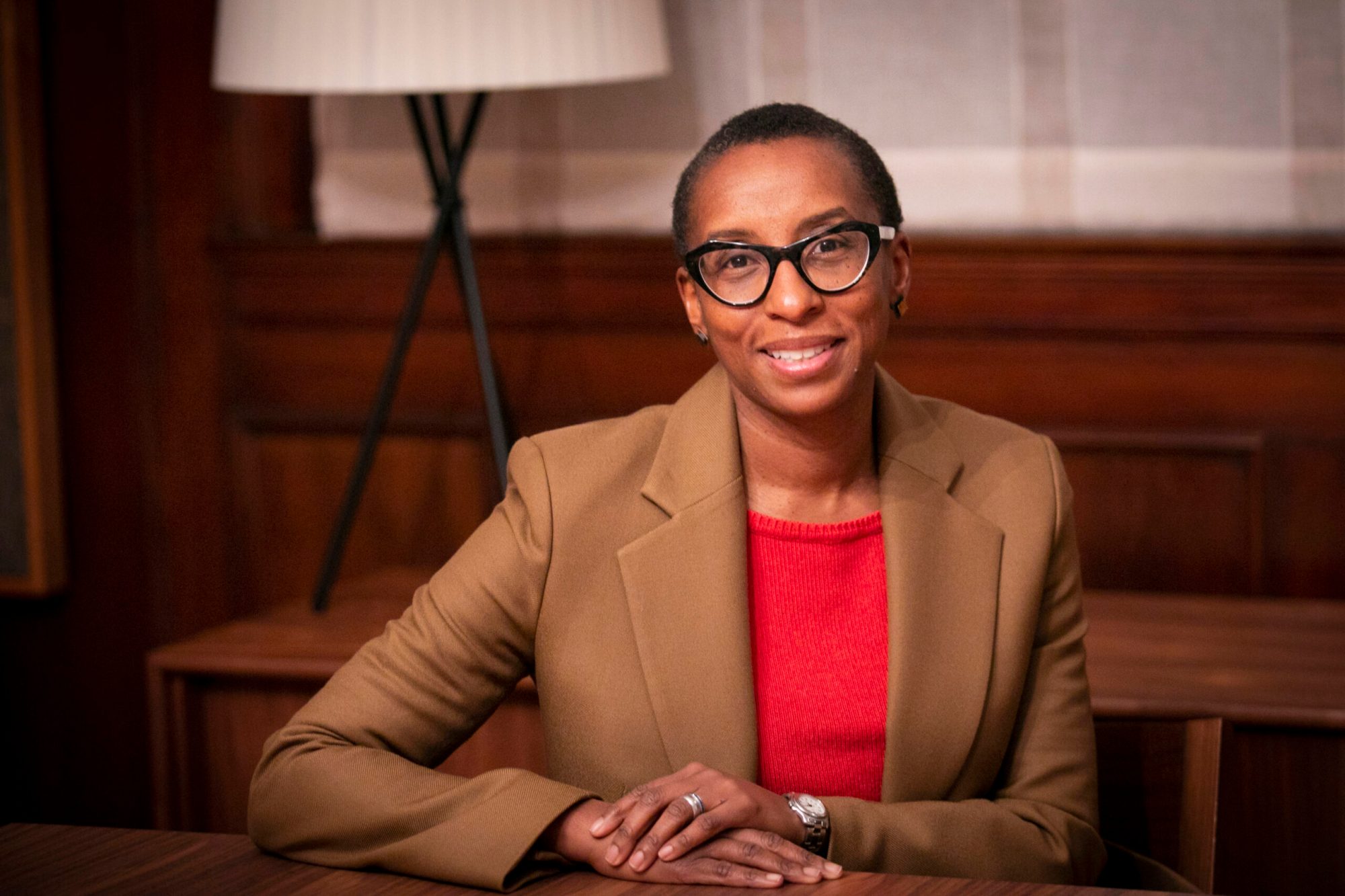
Claudine Gay
In 1998, Claudine Gay earned a Ph.D. in government from the Graduate School of Arts and Sciences. She then went on to join Harvard faculty as a government professor and a professor of African and African American Studies. Gay was named dean of social sciences at the Faculty of Arts and Sciences in 2015 before becoming the School’s dean in July 2018. In June of 2023 she'll become Harvard's next president.

Cecilia Payne-Gaposchkin
Cecilia Payne-Gaposchkin was the first woman to earn a Ph.D. in astronomy, the first to be promoted to full professor from within the faculty at Harvard’s Faculty of Arts and Sciences, and the first to head a department at Harvard. Despite her successes, she suffered numerous indignities, including rejection of her groundbreaking dissertation. Eventually, the dissertation, which outlined the makeup of stellar atmospheres and proved the prevalence of hydrogen in the universe, was declared by leading scientists to be “undoubtedly the most brilliant Ph.D. thesis ever written in astronomy.”

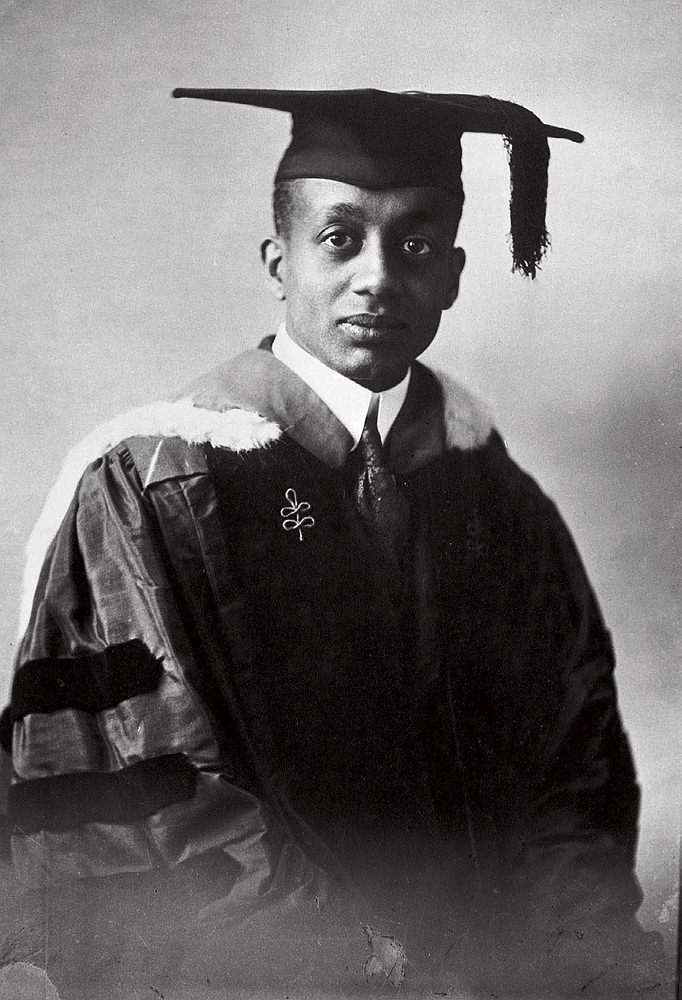
Alain Locke
After becoming the first Black student to receive a Rhodes Scholarship and graduating from GSAS in 1918, Alain went on to champion the Harlem Renaissance. This would set the groundwork for his lifelong goal of removing the division between art and activism.

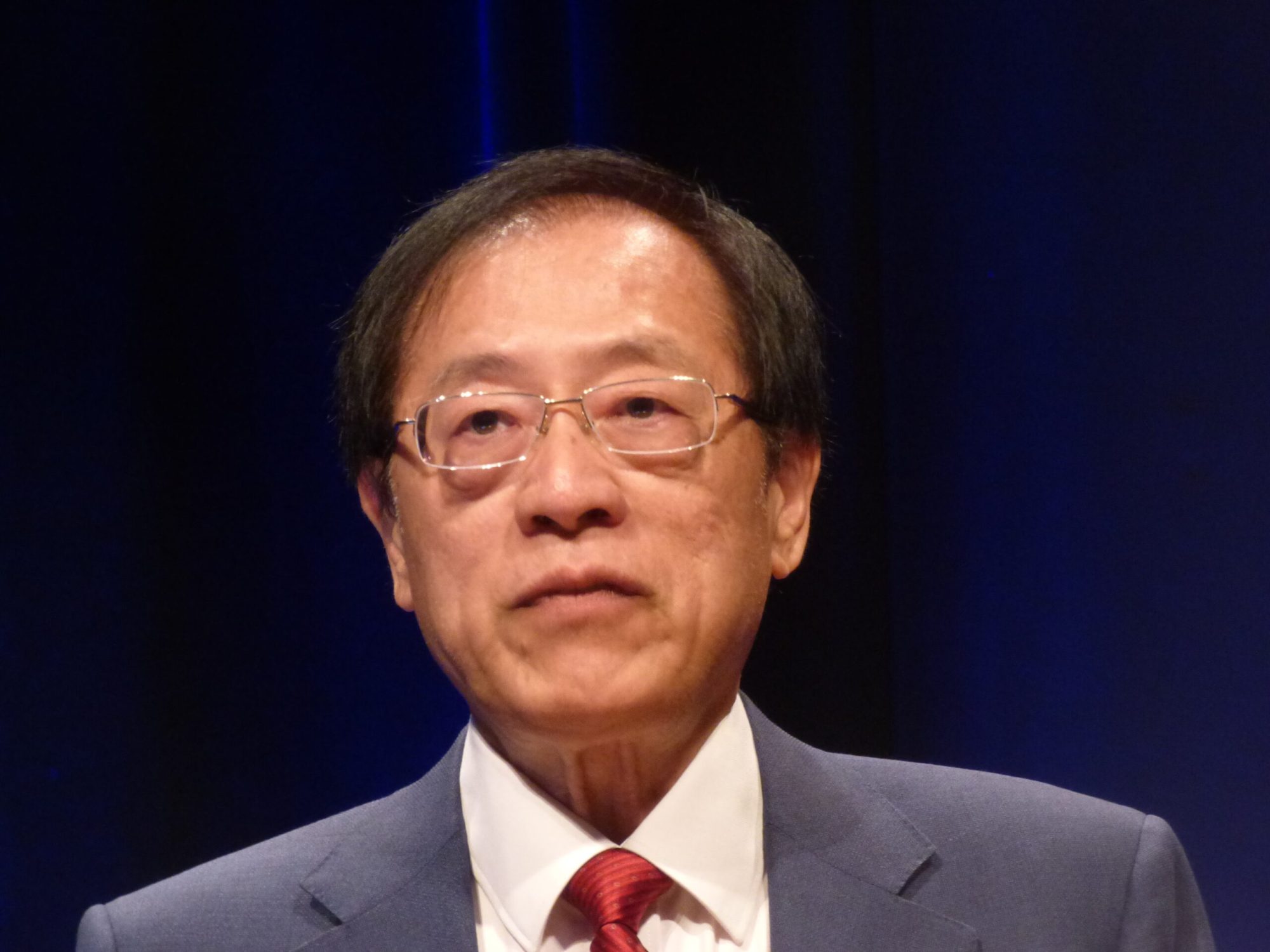
Andrew Yao
One of the most influential figures in the burgeoning field of artificial intelligence, Andrew Yao was a Ph.D. student in physics at GSAS when he was introduced to algorithms. Since then, his work with computational complexity, cryptography, and quantum computing has led to many accolades, including becoming the first Chinese scholar to win the Turing Award in recognition of his fundamental contributions to the theory of computation.

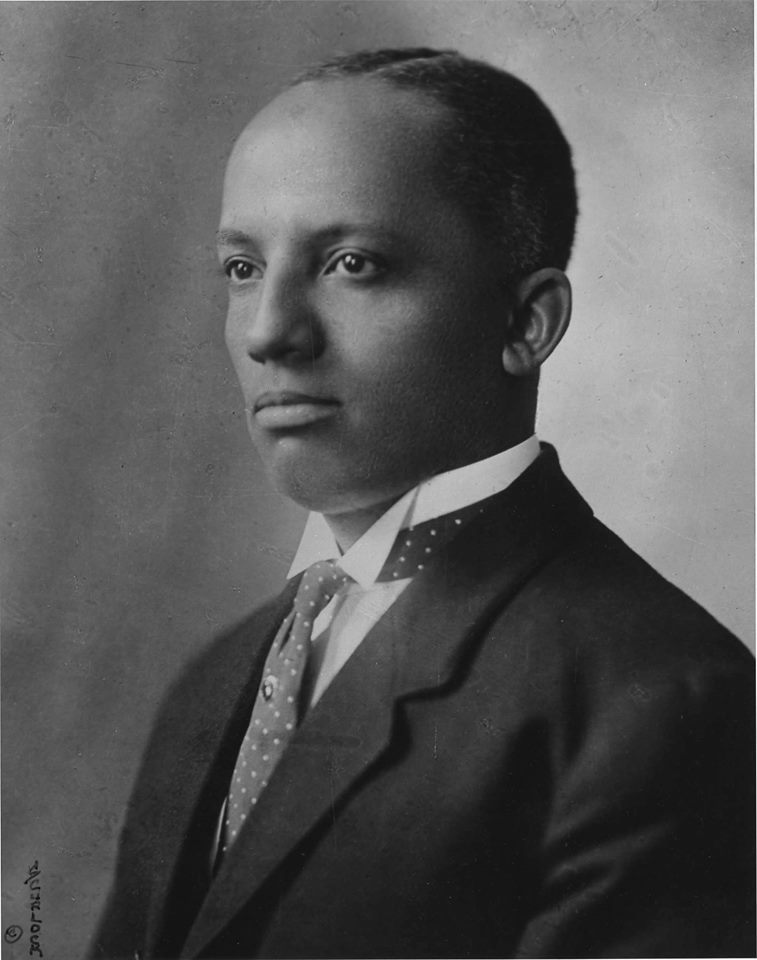
Carter Woodson
Carter Woodson was the second African American student, after W.E.B. Du Bois, to earn a Ph.D. from Harvard. He went on to pioneer the study of the contributions and history of Black people in the United States. His work ultimately led to the establishment of Black History Month.

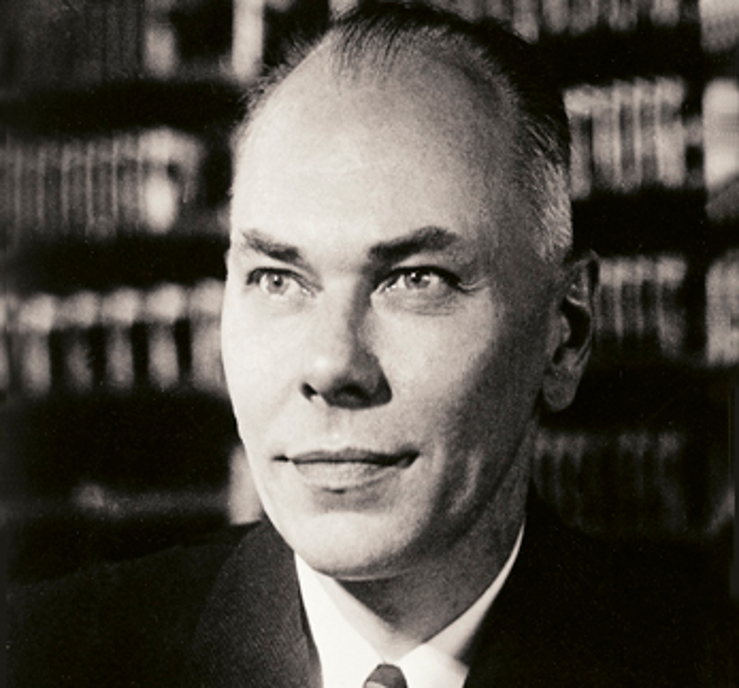
Howard Aiken
In a time of slide rules and pencils, Howard Aiken found himself frustrated by the complex mathematical equations he needed to solve for his dissertation in physics. He channeled that frustration into developing a mechanism that would automatically compute the answer, later collaborating with IBM to build what would become the Mark I, one of the first computers.

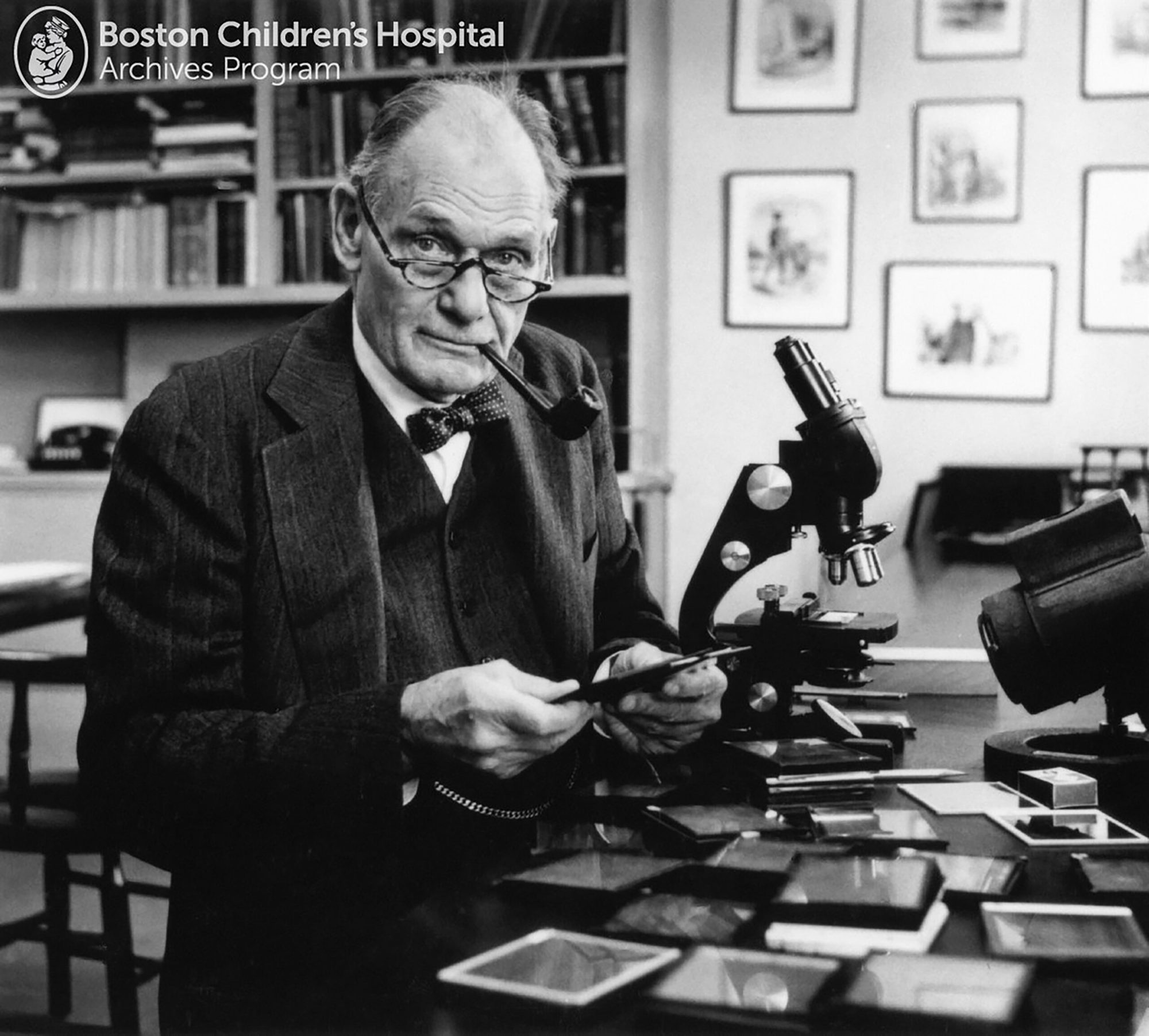
John Franklin Enders
Dubbed the father of modern vaccines, John Franklin Enders began his Harvard career studying English literature and Germanic and Celtic languages. Dissatisfied with his academic track, he turned to science, thanks to his friendships with Harvard medical students and the mentorship of Professor Hans Zinsser. He graduated with a Ph.D. in bacteriology and immunology and went on to establish a lab dedicated to studying infectious diseases at Boston Children's Hospital.
YOU MAY ALSO LIKE